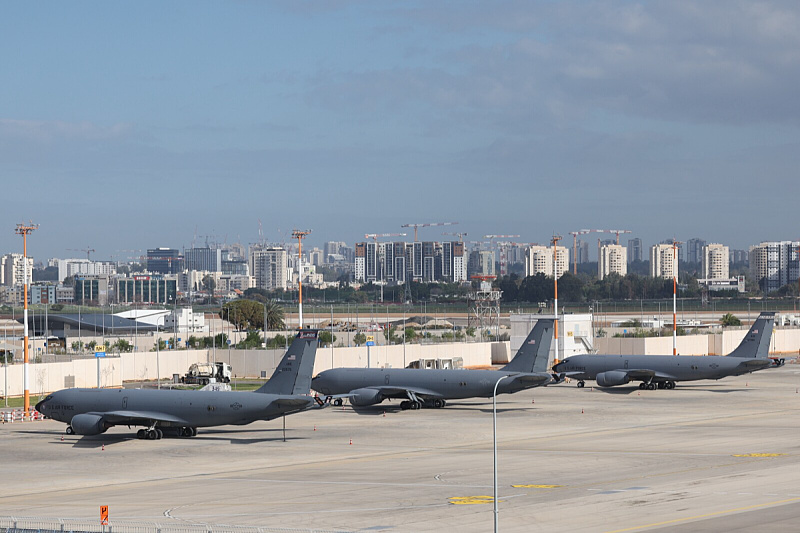
In March, a KC-135 Stratotanker over western Iraq collided with another tanker and crashed. All six crew members perished. In Iranian attacks on a U.S. base in Saudi Arabia shortly thereafter, at least five more KC-135 tanker aircraft on the ground were damaged. Some aircraft suffered severe structural damage. Losses in the war with Iran have weakened the U.S. tanker fleet. Now, the U.S. Air Force is responding by bringing back old aircraft from the desert. The portal FlightGlobal first reported that at least two KC-135 Stratotankers have been reactivated from storage at Davis-Monthan Air Force Base in Arizona, including one 68-year-old aircraft with the designation 58-0011. The aircraft have been transferred to Tinker Air Force Base in Oklahoma. Located there is the Air Logistics Complex, a major maintenance and repair center. The goal is a thorough overhaul and potential return to active service. Davis-Monthan Air Force Base is known worldwide as a storage site for decommissioned aircraft. This location is called the "Boneyard," the graveyard of the U.S. Air Force. Thousands of aircraft stand there in the desert, preserved thanks to the heat and sand. Many of these aircraft are not immediately destined for scrap but serve as a source of spare parts or a strategic reserve. Some can be refurbished for flight as needed. KC-135 tankers are crucial for U.S. combat aviation. They refuel fighter aircraft like the F-15, F-22, and F-35 in the air. Bombers like the B-2 also depend on them. Thanks to aerial refueling, long-range and long-duration missions, such as those in the war with Iran, are possible. The United States has concentrated dozens of tankers in the region. Without them, the range and duration of missions are significantly reduced. Many KC-135s date back to the 1950s. They were supposed to be replaced by the more modern KC-46 Pegasus aircraft, but according to reports, this model faces technical issues with its refueling system, the so-called "boom." As a result, the U.S. Air Force is now turning to old reserves from the Arizona desert.
Society
Due to losses in the war against Iran, the Americans pulled a plane as old as 68 years out of the desert.
Following significant losses in the war against Iran, the U.S. Air Force has been forced to retrieve some of its older aircraft from the desert and put them back into service, reports the German Bild.
ingestion