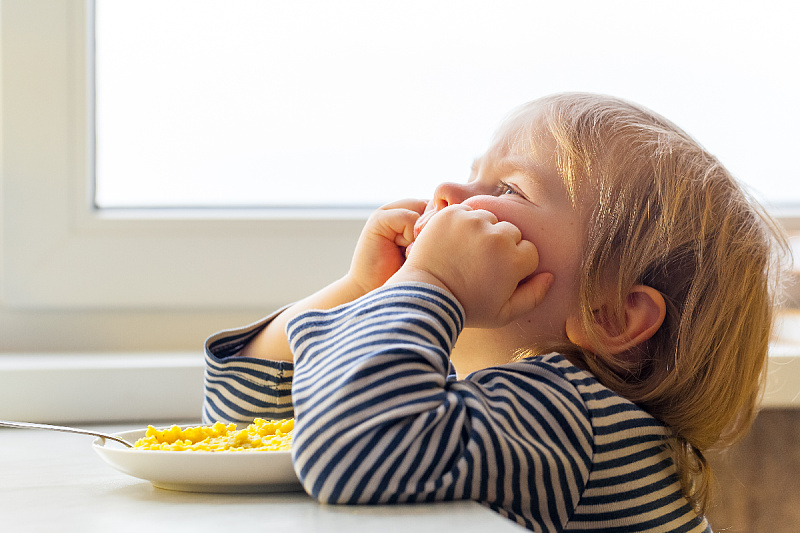
Experts note that the reasons why children refuse food can vary and often change with age. In infants and young children, it may be related to developmental stages, such as teething or transitioning to solid foods. In older children, food refusal is often a way of expressing independence and control.
One of the most common causes is so-called picky eating, when a child accepts only certain types of food, often rejecting vegetables or new foods. Psychological factors also play a significant role—stress, changes in the environment like starting daycare or school, and even family tensions can affect appetite.
Sometimes the cause can be medical in nature. Digestive issues, food allergies, or sensitivities to certain ingredients can lead a child to avoid meals. In such cases, it is important to seek advice from a pediatrician.
How to Overcome the Problem
Experts advise parents first and foremost to remain calm and consistent in their approach. Forcing a child to eat can have the opposite effect and further worsen the situation. Instead, creating a positive atmosphere during mealtime, without pressure or punishment, is recommended.
Establishing a routine is also key. Regular meals at the same time help a child develop a sense of hunger and eating habits. It is also important to offer a variety of foods, but without forcing—a child sometimes needs multiple attempts to accept a new food.
Involving the child in food preparation can be an additional motivator. When they participate in choosing and making meals, children often show greater interest in what they will eat.
Finally, experts emphasize the importance of looking at the bigger picture. If a child is growing normally, has enough energy, and has no health concerns, occasional food refusal is generally not a cause for worry. However, in the case of a sudden loss of appetite or weight, consulting a doctor remains the best step.
Food refusal, although frustrating, is most often a passing phase in a child's development—with patience and the right approach, most children eventually develop healthy eating habits.