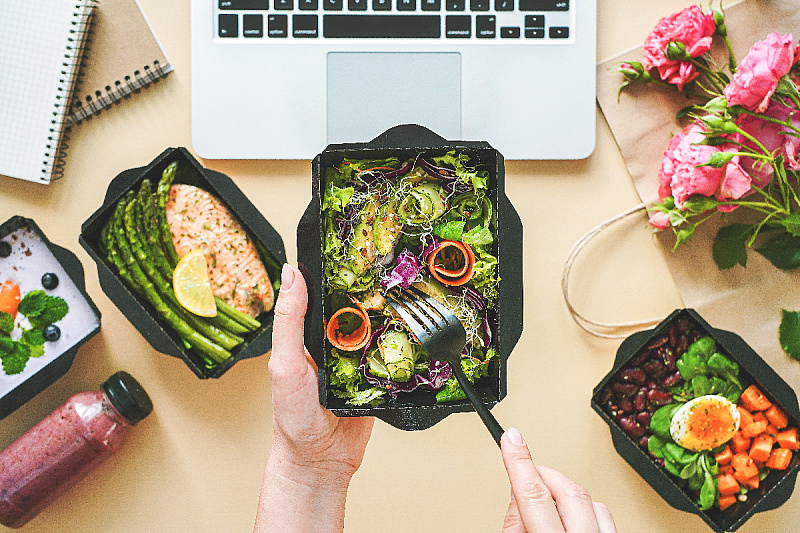
This also calls into question the safety of pre-prepared salads. Pre-washed, packaged salads are many people's first choice when they want a quick and healthy meal without much preparation. However, food safety experts warn that this convenience may come at a cost. Nutrition professor from Northeastern University and author of a book on food safety, Darin Detwiler, claims that such products are among the riskier. Although consumers expect safety, the reality is different. "Packaged salads remain one of the riskier products due to the possibility of contamination. In the past, such products have been linked to numerous food poisoning outbreaks, which in more severe cases have resulted in hospitalizations," he stated. Experts point out that contamination often begins already in the fields, with contaminated irrigation water or contact with soil and animals increasing the risk. Bacteria can also be transmitted during harvesting, through equipment or human contact. An additional problem arises during processing. Unlike a whole head of lettuce, packaged mixes often come from multiple farms and are processed together. Furthermore, refrigeration is not a complete solution either. Although it slows the growth of microorganisms, it does not destroy them. If there is a break in the cold chain during transport or storage, bacteria can multiply further. Many people might think the solution is simple: just wash the salad at home. However, experts say this is not advisable. Washing does not remove bacteria, and there is a risk of additional contamination from the sink, utensils, or hands. For people who choose packaged salads, it is advised to be cautious. It is important to check the expiration date, avoid packages that look wet or slimy, and ensure the salad remains chilled, writes HuffPost. A safer alternative is a whole head of lettuce or fresh spinach. Such items have a smaller surface area exposed to processing or potential contamination, and they can be thoroughly washed at home.