The American tech giant, of which Facebook is a part, essentially works against ruling parties through its algorithm, government spokesperson Zoltan Kovacs told Politico. Meta, Facebook's parent company, denies these claims. Facebook is a crucial platform in Hungarian politics, and Magyar regularly uses it to address voters and respond to events, with his posts garnering millions of views. Although Orban has 1.6 million followers compared to Magyar's 930,000, the latter sees higher user engagement in terms of comments and likes: in March, Magyar posted 287 times, generating 14,077,000 interactions—almost double the 7,868,000 interactions Orban achieved with his 342 posts, according to data from the Telex portal published on April 3. "He speaks the language of the algorithm and can keep up with the speed of news without losing strategic clarity," said Marton Hajdu, head of EU affairs for Magyar's Tisza party and one of its parliamentary candidates. In Hungary, Facebook is the most used social network, with four million visits in February 2026 alone in a country of nine million people, according to a preliminary report from the long-term observation mission of the Organization for Security and Co-operation in Europe. When Meta banned political advertising on its platforms in October 2025, following EU legislation imposing high transparency requirements, it posed a serious obstacle to Fidesz's strategy, which heavily relied on ads for its online presence, explained Bulcsú Hunyadi from the Budapest-based think tank and consultancy Political Capital. Fidesz was the biggest spender on political advertising in the EU during the 2024 European Parliament election campaign. The party and related organizations spent 5.4 million euros on Meta and Google ads from the beginning of the year to June 15, while opposition parties and their organizations spent 1.4 million euros, according to research by Political Capital. According to the Hungarian fact-checking organization Lakmusz, Fidesz attempted to circumvent the advertising ban, as Meta's monitoring mechanisms still have certain weaknesses. The party also organized networks of online activists to amplify its political messages on social media, said Hunyadi. For example, one such Facebook group, the so-called "Fight Club" with about 60,000 activists, shares posts with instructions on how to further promote them through likes, shares, and comments. Despite this, Magyar has gained an advantage: his more personal and direct video style resonates better with audiences and the platform's algorithms than traditional political messaging. Government spokesperson Kovacs said it is not true that "there is a huge majority of media that help the work of, say, ruling parties." "People increasingly and almost entirely get their political information through social media," he said.
Society
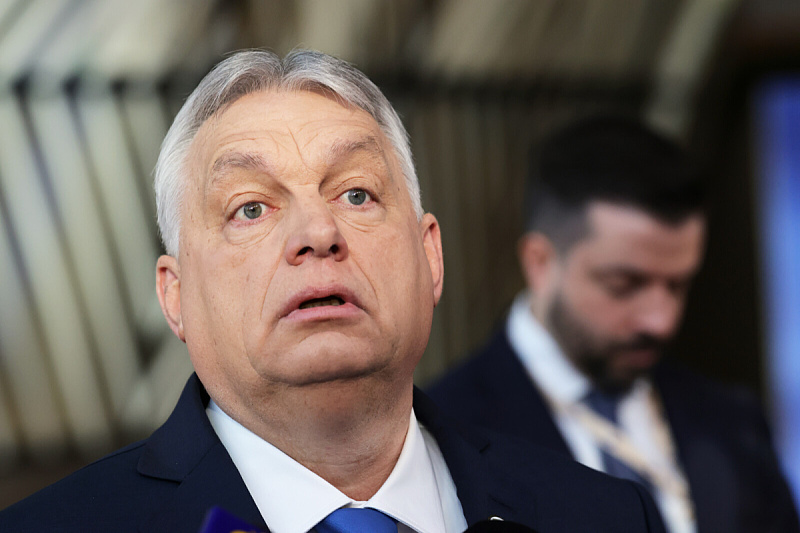
Viktor Orban blames Facebook for the drop in popularity before the election, claiming they are working against Fidesz.
The government of Hungarian Prime Minister Viktor Orban claims that his re-election campaign has been undermined by internal Facebook functions that, according to their statements, favor his rival Peter Magyar, who is leading in polls ahead of the crucial elections on Sunday.
ingestion