The price of benchmark Brent crude oil fell by about 13% to $94.80 per barrel, while oil traded on the U.S. exchange was down more than 15% to $95.75. However, oil prices are still higher than before the conflict began on February 28. At that time, it was trading at around $70 per barrel. "Traders have been watching this moment extremely closely, looking for a concrete commitment to reopen the Strait of Hormuz," Ye Lin from the consulting firm Rystad Energy told the BBC. She said that a large part of the recent rise in oil prices, caused by risks to shipping in the Gulf, almost instantly collapsed after Trump's announcement. "Any headline in the next 48 hours about whether the first tanker safely passed through the strait will affect prices," Ye added. However, she believes it will take time for drivers to feel relief at the gas pumps. Ye noted that not all countries adjust gasoline prices daily, so the speed of the decline in oil prices will largely depend on how much oil from the Gulf of Mexico is released as shipping continues.
Society
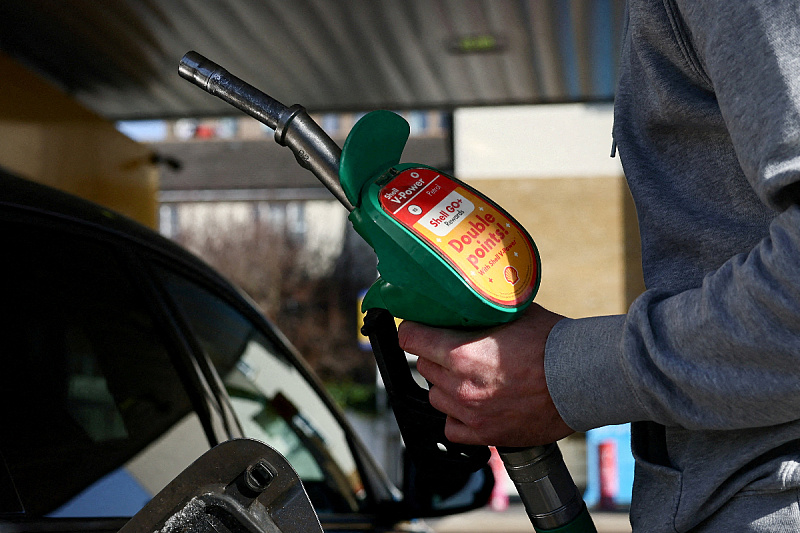
Oil prices plummet on the stock market, but drivers will have to wait to feel it at the pumps.
Oil prices on global exchanges have sharply fallen following the announcement by U.S. President Donald Trump of a ceasefire with Iran. They are now trading significantly below $100 per barrel.
ingestion