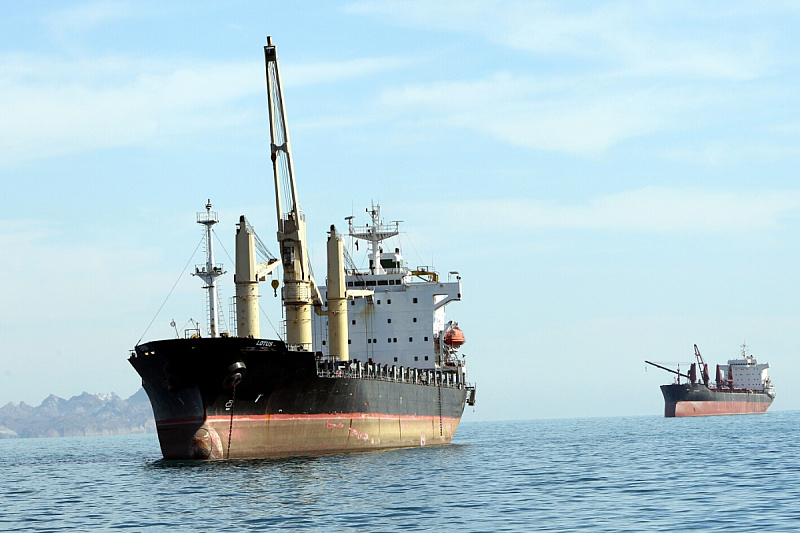
Prime Minister Keir Starmer announced a meeting, with British Foreign Secretary Yvette Cooper hosting the discussions. The aim is to assess all diplomatic and political measures that can ensure freedom of navigation, the safety of captured ships and crews, and the continued flow of key energy resources, AFP reports.
"Following that meeting, we will also gather our military planners to consider capabilities and ensure that the strait is accessible and safe after the fighting ends," said Starmer.
The talks will involve countries that recently signed a statement of readiness to contribute to efforts for safe passage through the Strait of Hormuz, including the United Kingdom, France, Germany, Italy, Japan, and the Netherlands.
Iran effectively closed the strait after U.S.-Israeli strikes on February 28, causing global oil and gas prices to rise. In peacetime, one-fifth of the world's oil and liquefied natural gas passes through the Strait of Hormuz.
Starmer warned that restoring navigation "will not be easy."
At the same time, he reiterated support for NATO, following criticism from U.S. President Donald Trump, who called the alliance a "paper tiger."
In an interview with the British Telegraph, Trump said the United States might consider NATO membership, while earlier he told countries not involved in the war but facing fuel shortages to "take their own oil" in the Strait of Hormuz, adding that the U.S. would not help them.