Animal welfare charities say they are bitterly disappointed that ministers are not using the powers granted by Brexit to restrict imports.
Sources close to the negotiations between the UK and the EU have said the UK is prepared to drop a ban on importing foie gras, as there are other contentious issues of higher priority, such as crop precision breeding, reports the Guardian.
Ministers say this is more likely to boost the economy than a ban on importing foie gras and fur.
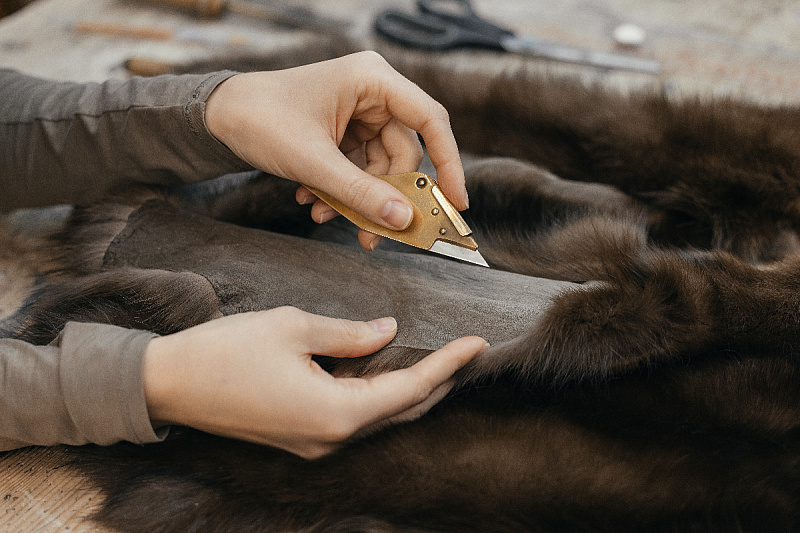
The government published its response to the consultation on a fur ban at the end of last month. Despite 97% of respondents saying it is wrong to kill animals for their fur and the vast majority of respondents wanting a ban, ministers did not commit to import restrictions, instead setting up a working group to investigate the fur industry.
Farming animals for fur has been banned since 2000, and the production of foie gras in the UK has been banned since 2006. However, both are still imported, mostly from EU countries, and sold in shops and restaurants in the UK.
Before the election, then shadow environment secretary Steve Reed said Labour would "ban the commercial import of foie gras, where ducks and geese are aggressively force-fed".
Foie gras is made by force-feeding ducks and geese grain through a funnel or tube inserted down the bird's throat. This process causes the animal's liver to become much larger than its normal size.
Since the UK left the EU, it has had the freedom to restrict imports of products from the EU, but has not done so to date. Now, under a trade deal expected to be solidified in the autumn, the UK will again need an exemption from EU law to ban these products.
Fur farms have been criticised for cruelty, with animals often kept in small enclosures.