Diplomatic activities have intensified as American and Iranian officials consider returning to Islamabad to resume negotiations, after talks last weekend ended without a concrete agreement. The Pakistani army confirmed that Field Marshal Asim Munir has arrived in Tehran, and according to Iranian sources, his goal is to "reduce differences" between the two sides. Trump stated in an interview with ABC News that he does not expect an extension of the two-week truce set to expire next week. "I think you're going to see an incredible two days ahead," Trump said, adding that the conflict is "very close to the end." In an interview with Fox Business Network, he emphasized that both sides show a strong desire to reach an agreement. "We'll see what happens. I think they want to make a deal very strongly," Trump said. Officials from Pakistan, Iran, and Gulf countries indicate that negotiations could soon resume in Islamabad. Talks held last weekend concluded without an agreement to end the war that Trump launched alongside Israel on February 28, which triggered Iranian attacks on neighboring Gulf countries and reignited conflict between Israel and Hezbollah in Lebanon. The U.S. president's optimism has boosted global stock markets, while oil prices, after a previous decline, have slightly risen and are hovering around $95 per barrel. The U.S. military announced it continues to intercept ships attempting to enter or leave Iran. Among them is the Chinese-owned tanker "Rich Starry," which returned through the Strait of Hormuz under U.S. sanctions. A U.S. destroyer stopped two tankers attempting to leave Iran's Chabahar port in the Gulf of Oman. On the other hand, Iranian media report that one supertanker managed to pass toward Imam Khomeini port despite the blockade. Although the United States and Iran have so far avoided a major maritime conflict, Tehran has warned it will respond to any military action. The joint command of Iranian forces threatened to halt trade flows in the Persian Gulf, the Gulf of Oman, and the Red Sea if the U.S. blockade continues. Trump further threatened escalation if the war continues. "We can destroy all their bridges within an hour. We can destroy all their power plants within an hour. We don't want to do that, but we'll see what happens," he warned. Vice President JD Vance stated that Washington wants to achieve a "grand deal" with Iran, but there is significant distrust between the two countries. A key point of disagreement remains Iran's nuclear program. The United States has proposed a 20-year suspension of all nuclear activities, while Iran offers a break lasting three to five years. The Director of the International Atomic Energy Agency, Rafael Grossi, stated that the duration of any potential moratorium is a political issue and that there is room for compromise. Washington also insists on removing enriched nuclear material from Iran, while Tehran demands the lifting of international sanctions. Meanwhile, Israel continues attacks in Lebanon targeting Hezbollah, further complicating peace efforts. According to available data, approximately 5,000 people have died in the conflict, including about 3,000 in Iran and 2,000 in Lebanon, among them many civilians, students, and professors. The war has also led to the near-total closure of the Strait of Hormuz, a key route for oil and gas transportation, severely disrupting the global energy market and forcing importers to seek alternative supply sources.
Society
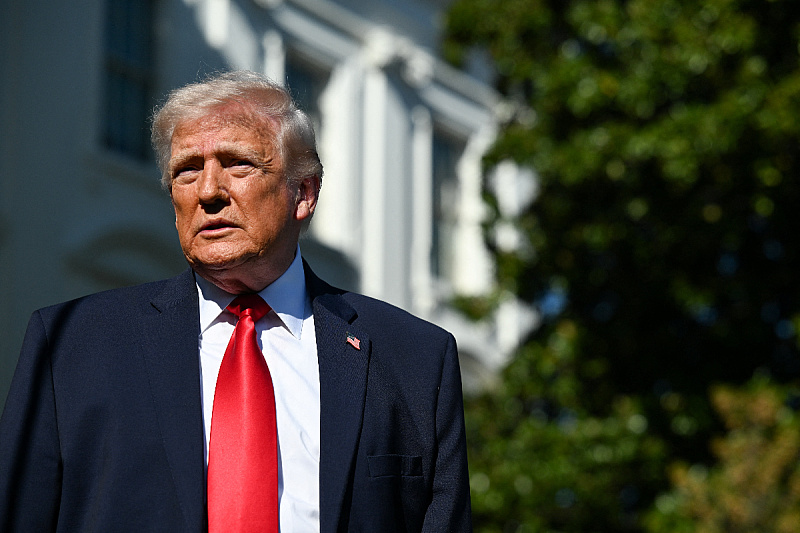
Trump: The world should prepare for "two incredible days," the war with Iran is nearing its end.
U.S. President Donald Trump stated that the war with Iran is nearing its end, warning that the world should prepare for "incredible two days," while the Chief of Army Staff of Pakistan traveled to Tehran with the aim of preventing a new escalation of the conflict.
ingestion