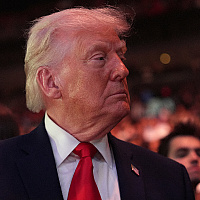
In a telephone interview with Fox News, Trump stated that he could destroy key Iranian capabilities in a very short time. "I could destroy Iran in one day. I could take out their entire energy infrastructure, all their power plants, which is a huge thing," Trump said.
However, legal experts warn that targeting civilian infrastructure, including power plants and water systems, would violate international humanitarian law. Amnesty International’s Secretary-General Agnès Callamard emphasized that deliberate attacks on civilian objects constitute a war crime. "Even in cases where civilian infrastructure may have a military function, attacks are not permitted if they would cause disproportionate harm to civilians," Callamard said.
She further stressed that power plants, water systems, and energy infrastructure are crucial for civilians’ daily lives, as they enable access to drinking water, medical care, electricity in hospitals, and food supply chains. "Attacks on such facilities would be disproportionate and illegal under international humanitarian law and could constitute a war crime," she warned.
Trump also mentioned that the United States, with the help of several allies, would work to unblock the Strait of Hormuz, a key maritime route for global energy trade. According to him, among the countries that could participate is the United Kingdom, which he claimed should send minesweepers to remove mines from the area.
From Downing Street, there is no official confirmation yet regarding the deployment of such vessels, although British authorities are working to find a "practical" solution to reopen the strait. "We have minesweepers there, including the most advanced underwater systems, but we are also bringing in traditional ones. As far as I understand, both the United Kingdom and several other countries are sending their minesweepers," Trump said.
In the same interview, Trump reiterated that the United States plans to block the Strait of Hormuz but acknowledged that such a move would require some time, though he claimed that the "cleanup" of this strategic passage would not take long.
Trump also noted that NATO, which he previously criticized for insufficient support of his military moves toward Iran, is now showing readiness to help unblock the strait.