The comments reflect the fragile nature of the ceasefire agreement, and reports indicate disputes over what is included in the deal. This occurred after Israeli Prime Minister Benjamin Netanyahu stated that his government would initiate direct negotiations with Lebanon, focusing on disarming Hezbollah, the Iran-backed militant group, and establishing peaceful relations. A U.S. State Department official confirmed that a meeting "to discuss ongoing ceasefire negotiations with Israel and Lebanon" will be held in Washington next week. Lebanese officials have called for a ceasefire before negotiations begin, but Netanyahu later addressed residents of northern Israel, saying, "There is no ceasefire in Lebanon." After Israeli attacks continued in Lebanon throughout Thursday, targeting what were described as Hezbollah rocket launch sites in the south, the strikes appeared to have at least temporarily subsided overnight in the region. In an interview, Trump said Israel would "scale back" its attacks in the country to support peace talks. Trump posted on Truth Social about maritime traffic through the key shipping route, which typically handles 20% of the world's oil and liquefied natural gas (LNG). "There are reports that Iran is charging fees to tankers passing through the Strait of Hormuz. They better not do that, and if they do, they better stop immediately," he stated. The Israeli military continues to occupy a large part of southern Lebanon, where it has destroyed villages in recent days. Without at least a commitment to a temporary ceasefire, it is unclear how productive negotiations between the two sides could proceed. It is also unclear how much influence the Lebanese government, with whom the Israelis will negotiate, has over Hezbollah, which, despite having representatives in the Lebanese government, is a separate entity supported by Iran. The Lebanese government banned Hezbollah's military activities in early March, a few days after the war with Israel began, but it did not prevent the group from carrying out military operations. More than 1,800 people have been killed as a result of the war so far, including at least 130 children, according to the Lebanese Ministry of Health, which does not distinguish between combatants and civilians.
Society
Trump: Iran is doing a poor job in the Strait of Hormuz, they must immediately stop charging fees to tankers.
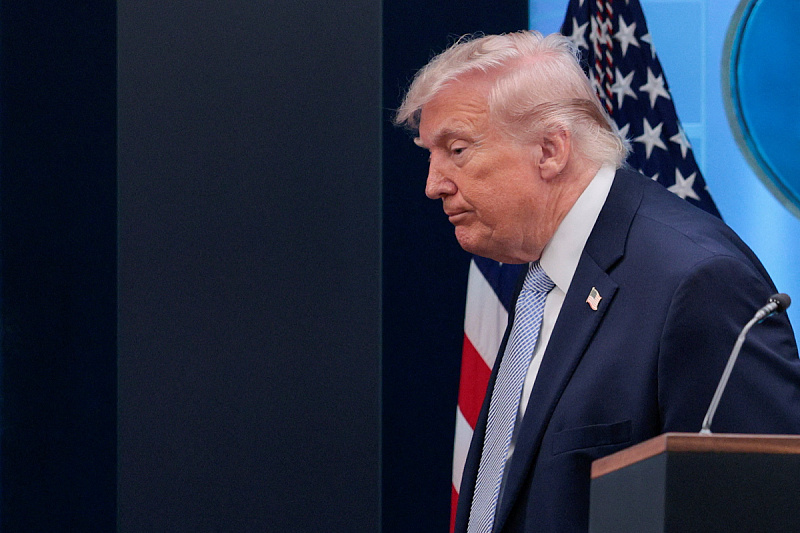
U.S. President Donald Trump accused Iran of doing a "very poor job" of handling oil passing through the key Strait of Hormuz, claiming that "this is not the agreement we have."
ingestion