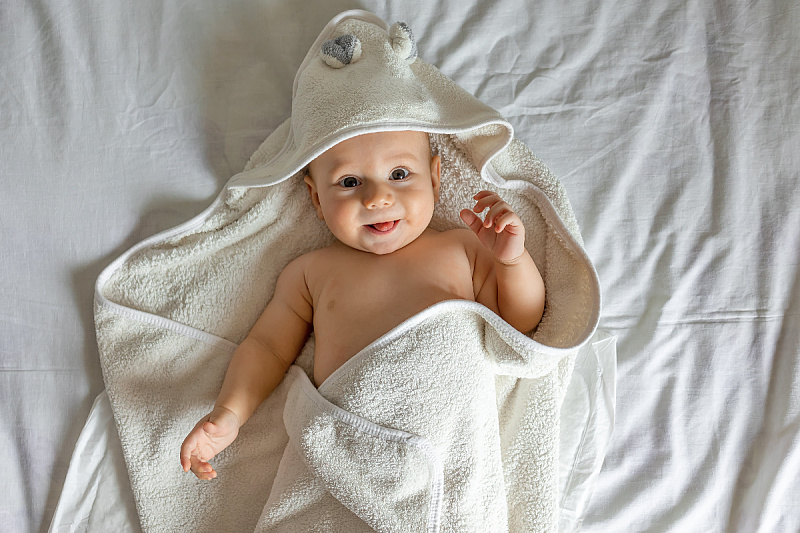
Experts point out that a baby's skin is still developing and adapting to external conditions, making it more prone to dryness. According to the Mayo Clinic, dry and irritated skin is one of the most common reasons for visiting a pediatrician in the first few months of life. The Cleveland Clinic adds that this issue occurs in about one-third of babies, often within the first few weeks after birth.
One of the main reasons for dry skin in newborns is the loss of natural moisture after birth. Babies are no longer in the moist environment of the womb, so their skin begins to dry out and flake.
Additional factors contributing to this condition include: - Exposure to dry air, especially during winter months - Frequent bathing, particularly in warm water - Use of soaps and products that strip natural oils from the skin - Wind and cold, which further dry out sensitive skin
In some babies, dry skin may also be associated with mild forms of eczema, though this is not always the case.
Symptoms of dry skin in babies are usually mild and include flaking and peeling skin, rough patches to the touch, and mild redness. These changes most commonly appear on the hands, feet, and face, and are particularly pronounced in newborns during the first weeks of life.
Proper care can significantly alleviate symptoms and help maintain healthy skin. Recommendations include: - Limiting baths to a few times per week - Using lukewarm rather than hot water - Avoiding harsh soaps and scented products - Applying gentle moisturizing creams immediately after bathing - Maintaining moderate humidity levels in the room
Experts emphasize the importance of using products specifically designed for a baby's sensitive skin.
Although dry skin is usually harmless, parents should pay attention if the condition does not improve despite care, if the skin becomes very red, cracked, or painful, or if intense itching occurs. In such cases, consulting a pediatrician is recommended to rule out more serious skin conditions like eczema.