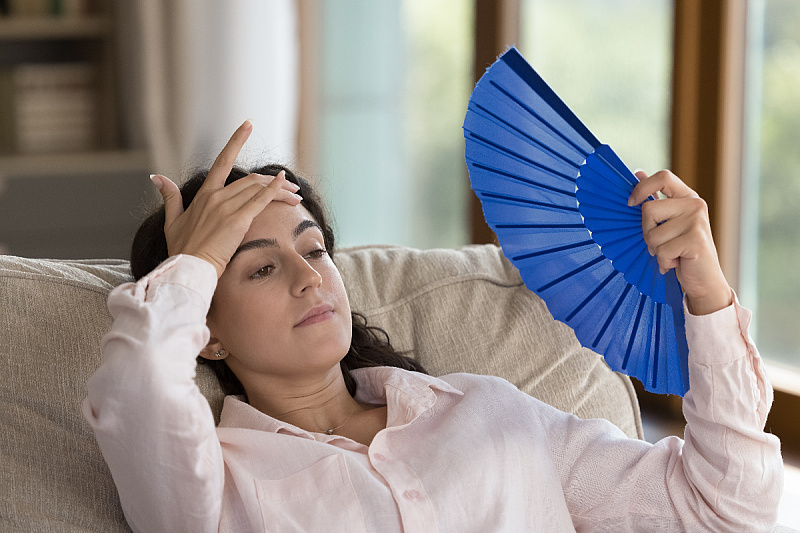
Experts explain that after childbirth, the body gradually returns to its pre-pregnancy state. During pregnancy, estrogen and progesterone levels are elevated, but after delivery and the expulsion of the placenta, they drop sharply, which can lead to hot flashes, night sweats, fatigue, irritability, and sleep disturbances.
Specialist Alyssa Dweck, a gynecologist from New York, notes that the return to regular ovulation and the menstrual cycle can take from several weeks to several months after childbirth.
"Until ovulation is reestablished, estrogen levels are extremely low. When hormones stabilize and the cycle becomes regular again, hot flashes and night sweats usually subside," explained Dweck.
Additionally, breastfeeding can prolong this process. Experts point out that the hormone prolactin, which is responsible for milk production, can delay the return of ovulation, thereby extending the duration of hormonal fluctuations and hot flashes.
"Breastfeeding typically delays the return of ovulation. The longer the return of ovulation and estrogen production is delayed, the longer hot flashes may last," states Dweck.
Although uncomfortable, postpartum hot flashes are temporary and often resolve on their own as hormones stabilize. It is recommended to maintain a cool environment, wear light and breathable clothing, and ensure adequate fluid intake.
Experts also advise avoiding caffeine, alcohol, spicy foods, and heavy meals, as they can worsen symptoms. Relaxation techniques such as breathing exercises, meditation, and light physical activity can help alleviate discomfort, as can quality sleep.
It is also noted that there are insufficient proven natural therapies for this issue, and experts warn that supplements and herbal preparations are not recommended without consulting a doctor, especially during the breastfeeding period.