This country is not an EU member, but it launched accession negotiations in 2014 and is entitled to funds and grants to implement legal reforms. A decision to suspend payments would further complicate the so-called EU enlargement process, as countries like Ukraine and Montenegro are accelerating their accession efforts, while influential states like France urge caution. "We are growing increasingly concerned about what is happening in Serbia. From laws undermining judicial independence to crackdowns on protesters and repeated interference in independent media," EU Enlargement Commissioner Marta Kos told Politico. The Commission is assessing whether the country still meets the conditions for "payments under EU financial instruments," Kos said. In recent weeks, pressure has been mounting within the Commission to halt funds, four EU officials told Politico. The EU has publicly criticized judicial reforms pushed by Serbian President Aleksandar Vučić, whose government has faced mass protests. Danijel Apostolović, Serbia's ambassador to the EU and chief negotiator with the bloc, told Politico he is convinced it will not come to a suspension of funding and that Serbia is not abandoning full EU membership. Belgrade remains engaged in intensive talks with the Commission, Apostolović added. The package of laws restructuring courts and changing the appointment of judges and prosecutors represents a serious step backward for Serbia, Kos warned when the laws were announced. The Venice Commission, a legal advisory body of the Council of Europe, is expected to issue an expert opinion on Serbia's controversial legal changes by the end of the month. That opinion could prompt the Commission to freeze funding for Serbia, two EU officials indicated to Politico. Kos said she will require Serbia to align its judicial laws with the Venice Commission's recommendations. Belgrade has clearly communicated that it will follow the Venice Commission's recommendations as soon as they are received, Apostolović said. The EU is the largest provider of financial support to Serbia, having allocated over €586 million in grants for the 2021–2024 period. It has also made an additional €1.5 billion available, conditional on reforms. According to Serbian government data, the country has received over €7 billion from EU funds and investments since 2000. Nevertheless, Serbia has long pursued a balancing act in its relations with the EU, while cultivating closer ties with Moscow and receiving money from Brussels.
Society
Serbia could lose 1.5 billion euros from the EU: Disputed ties with Russia and lack of reforms
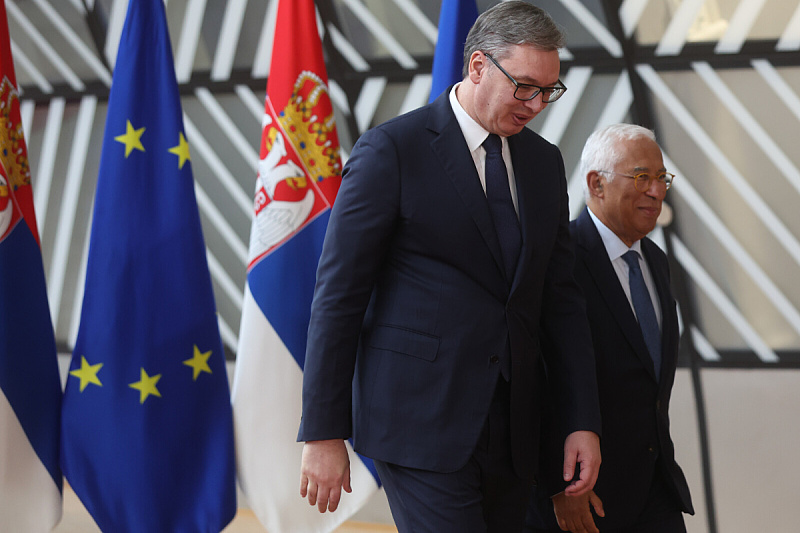
Serbia faces the possibility of losing up to 1.5 billion euros from EU funds, as the European Commission considers suspending payments due to setbacks in democracy and the country's close ties with Russia, reports Politico.
ingestion