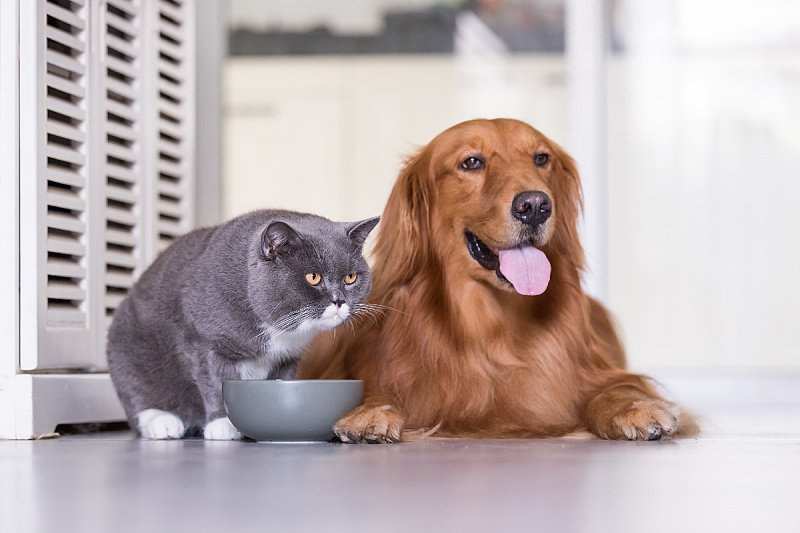
According to The Spruce Pets, cats may eat dog food for various reasons, including hunger, attempts to establish dominance, or being attracted by the smell. Although cat food and dog food may seem similar, there are some important differences.
Why cats should not eat dog food long-term Cats have different nutritional needs than dogs. They are obligate carnivores, meaning they require animal protein to thrive. Dog food does not contain adequate amounts of protein, taurine, and other vitamins and minerals necessary to support cat health. Additionally, the calorie, fat, and water content in dog food may be unsuitable for cats.
Differences between cat food and dog food Cat food is richer in protein, fats, and certain vitamins and minerals, all of which are essential nutrients for cats. Cat food contains taurine, which is minimal or absent in dog food. Cat food is higher in arachidonic acid, niacin, and vitamin A, which you won't find in sufficient quantities for cats in dog food. Finally, cat food is also smaller (making it easier for cats to eat) and has more calories than dog food.
What to do if your cat eats dog food If your cat occasionally eats a few bites of dog food, you likely have no reason to worry. Eating dog food can be more problematic if your cat has allergies, a sensitive stomach, or a health issue with dietary restrictions. If your cat seems sick after eating dog food, note the type of food your cat ate and discuss potential complications with your veterinarian. If you notice your cat regularly eating large amounts of dog food, you should consult a veterinarian for advice. Your cat may need an examination and laboratory tests to assess overall health and check for signs of malnutrition.
How to prevent your cat from eating dog food Take steps to prevent your cat from finding dog food by keeping it out of reach. Avoid free-feeding all pets in the house and collect bowls with leftover food. You can also try using automatic feeders and keeping pets separate during meals. Synchronizing meal times and feeding your pets in different rooms during their scheduled meals can prevent your cat from accessing dog food. Cats will often rush to their designated feeding spots instead of lingering near the dog's bowl.
What food can cats eat There are several different types of commercial cat food available for purchase, including dry food, canned food, and raw food. Many experts now recommend feeding cats partially or exclusively wet food to maintain hydration, reduce carbohydrate intake, and promote a healthy urinary system. Cats do not need carbohydrates to thrive, and cat food generally has significantly less of this macronutrient than dog food. In fact, high carbohydrate intake in cats is linked to diabetes and obesity. Additionally, cats typically do not drink enough water to stay well-hydrated, which can lead to urinary and kidney problems. Despite reports on the benefits of wet food, some cats prefer dry food and will not eat enough wet food to stay healthy. Some cats even become addicted to dry food and need to be gradually transitioned to wet food for health benefits. Your veterinarian can help you decide whether your cat should start eating wet food instead of dry kibble or find a good balance between high-quality dry cat food and wet food options.
Raw food has become increasingly popular among some cat owners. Supporters of raw food for cats claim that the diet mimics how cats eat in the wild. However, there are always safety risks associated with feeding raw meat. Many cats can digest raw food, but foodborne pathogens and cross-contamination can cause illness in both cats and people in the household. If you want to learn more about feeding cats raw food, consult your veterinarian for advice. Also, keep in mind that pre-prepared raw cat food has fewer plant-based ingredients and more amino acids than dog food.