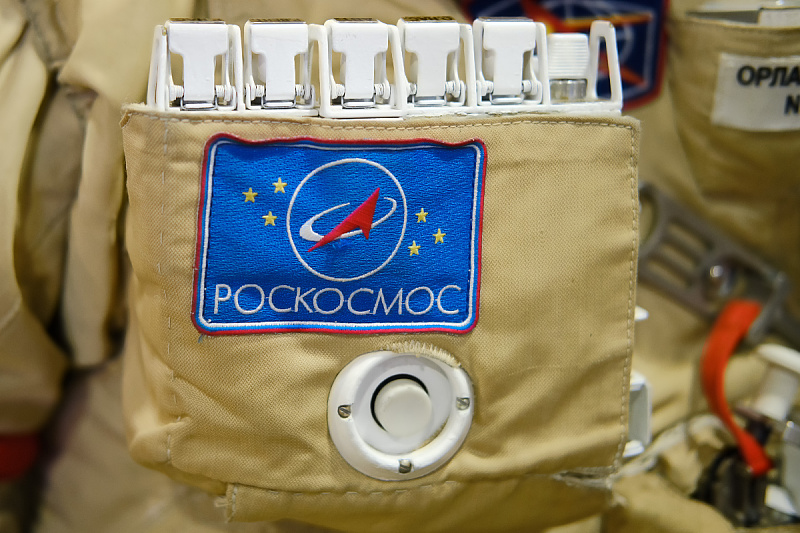
The launches of Russian spacecraft Luna-28, Luna-29, and Luna-30 have been postponed to the period from 2032 to 2036, Interfax reports, citing a statement by Sergey Chernyshev, Vice President of the Russian Academy of Sciences. It was not specified when these missions were originally planned, but the new delays follow last year's postponements of other Russian space and lunar projects, as well as the crash of the unmanned Luna-25 spacecraft on the Moon's surface in 2023. Russia considers lunar exploration crucial to its national interests, stated the head of the Russian space agency Roscosmos after the failed 2023 mission, emphasizing that a race is underway for the development and exploitation of the Moon's natural resources. The Soviet Union launched the first satellite into space and sent the first human into space in the 1960s, but the Russian space program, once among the most powerful, has weakened in the post-Soviet period and lags behind the United States, and increasingly behind China. This week, four astronauts from NASA's Artemis II mission became the first in over 50 years to fly around the Moon, traveling farther into space than any humans before them.
Society
Russia postpones three planned missions to the Moon from 2032 to 2036.
Russia has postponed the launch of three missions to the Moon, reports the Interfax agency, dealing a new blow to its ambitious lunar exploration program at a time when its long-time rival, the United States, is celebrating a historic flight around the Moon.
ingestion