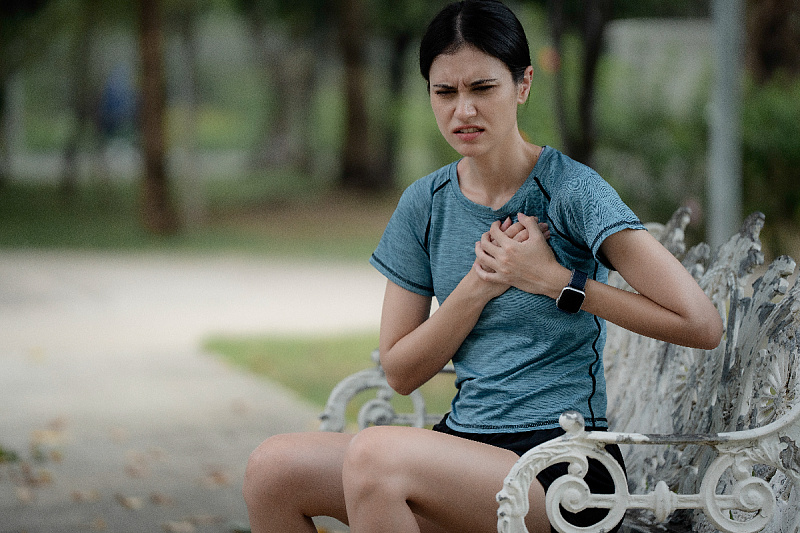
Timely recognition of these signs can help prevent serious health complications. One of the most common symptoms is chest pain or a feeling of pressure, which may occur during physical exertion or stress. This discomfort sometimes spreads to the arm, shoulder, jaw, or back. Additionally, shortness of breath and persistent fatigue can indicate that the heart and blood vessels are not functioning optimally. If you tire quickly even with minor activities, it may be a sign of circulation problems. Pain or cramps in the legs while walking, which subside when you rest, are often associated with weakened blood flow in the lower extremities. Numbness, coldness, or weakness in the arms and legs may point to reduced oxygen supply to the tissues. These symptoms should not be ignored, especially if they recur. Another sign can be slow wound healing, particularly on the feet. Weakened blood flow hinders the healing process and increases the risk of infections. Skin changes, such as coldness, pale or bluish discoloration, as well as hair loss on certain parts of the body, can be indicators of circulation issues. Caring for vascular health involves regular monitoring of blood pressure and blood sugar, a balanced diet, maintaining a healthy body weight, and regular physical activity. Avoiding harmful habits like smoking and excessive alcohol consumption also plays an important role in preserving health.