In a telephone interview with NBC News, Trump outlined his expectations ahead of diplomatic negotiations with Tehran, placing Vice President JD Vance in charge. "Iranian leaders speak very differently when you are in a meeting with them than when they make statements to the media. They are much more reasonable. They agree to all the things they have to agree to. Remember, they are conquered. They have no army," Trump said. The U.S. president also issued a sharp warning in case the negotiations fail: "If they don’t make a deal, it will be very painful for them."
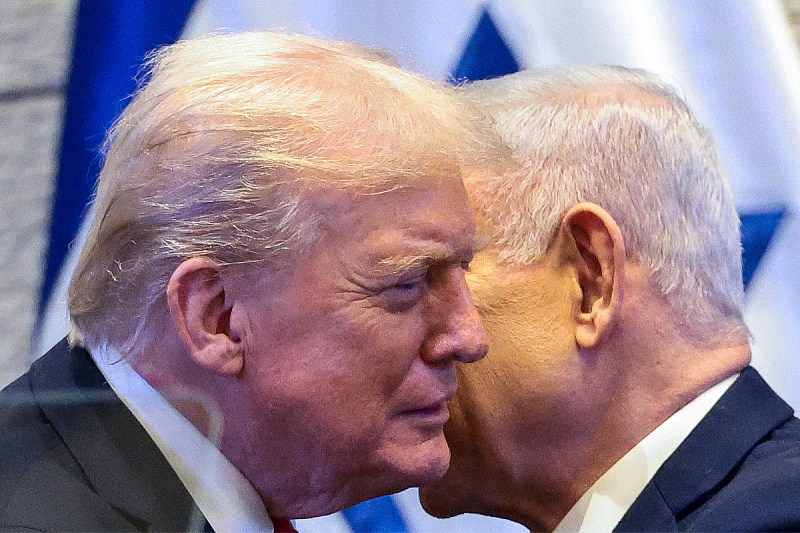
Despite Trump’s optimism, the two-week ceasefire between the U.S. and Iran is already under significant pressure. Israeli forces continue with intense attacks across southern Lebanon, targeting Hezbollah bases, which are supported by Tehran. Trump confirmed that he spoke by phone with Israeli Prime Minister Benjamin Netanyahu on Wednesday, urging him to reduce the intensity of the attacks to ensure the success of the upcoming negotiations. "I spoke with Bibi, and he will calm the situation. I think we all need to take the ball down a little," Trump said. Vice President JD Vance used similar rhetoric.
However, Netanyahu has given no public indication that he is willing to halt the attacks. He explicitly stated that the temporary ceasefire with Iran does not include Hezbollah and that Israel will continue to strike this militant group forcefully. On the other hand, Mahdi Mohammadi, an advisor to the Iranian parliament’s president, warned that "without fully restraining the American mad dog in Lebanon, there will be neither a ceasefire nor negotiations."
Blockade of the Strait of Hormuz Another major stumbling block is the Strait of Hormuz, a key global trade route. Trump announced the ceasefire earlier this week but only after threatening that "the entire civilization will die tonight" if Iran does not unblock this passage. MarineTraffic data shows that on the first day of the ceasefire, only five ships passed through the strait, none of which were oil or gas tankers. Although the White House claims to have received "private assurances" that the passage is open and that media reports are inaccurate, officials from the United Arab Emirates warn otherwise. "Let’s be clear: the Strait of Hormuz is not open. Access remains restricted, conditional, and controlled," said Sultan Ahmed Al-Jaber, a minister in the UAE government and director of the oil giant ADNOC. JD Vance warned that the war will continue if Tehran does not fulfill its promise to open the strait, through which about 110 ships passed daily before the war.
Are Concessions Being Prepared in Islamabad? The U.S. delegation, which includes, besides Vance, White House Special Envoy Steve Witkoff and Trump’s son-in-law Jared Kushner, traveled to the capital of Pakistan for negotiations under high security measures. Vance has been sending messages to Tehran through Pakistani intermediaries for days, indicating that Trump is losing patience. It has been made clear that new targets in Iranian infrastructure, which U.S. forces have not yet struck, are ready if an agreement is not reached.
Iranian state media previously presented a 10-point plan, which includes retaining control over Hormuz and the withdrawal of the U.S. from the region—terms Washington finds unacceptable. However, a former commander of the Iranian Revolutionary Guard hinted in a statement to NBC that they are ready for compromise. "Negotiations between Iran and the United States are like bargaining; both sides must give something," he said.