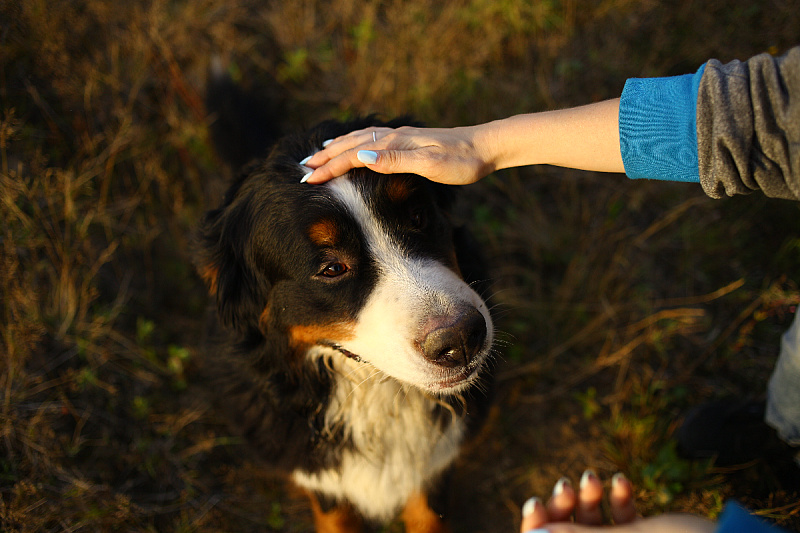
Experts warn that many owners, with the best intentions, misinterpret the signals their dogs send, especially in moments of stress or discomfort, writes the Mirror.
"Dogs communicate through subtle body language that often goes unnoticed. Recognizing these signs is crucial for a happy and healthy coexistence," said dog trainer and psychologist Philip Legood.
Accordingly, while a hug may seem like a universal sign of affection, dogs may perceive it differently.
"A tight wrapping of arms can be interpreted by a dog as a threat or a restriction of freedom, which causes anxiety. The first sign that your dog is not feeling comfortable is their body posture; instead of being relaxed, they become tense. The second signal is ears pinned back against the head, and if they are pulled back, it is a clear indicator of fear," he claims.
Additionally, the third sign is frequent licking of the lips or nose when there is no food, which is a calming behavior. Finally, there is the so-called 'dog smile.' While it may seem cute to humans, pulling the lips back and showing teeth is a warning sign. Along with these signals, a raised paw often appears, indicating insecurity.
Beyond immediate reactions to specific situations, it is important to monitor the dog's general behavior. Long-term unhappiness or stress can manifest in various ways. One of the clearest signs is lethargy and loss of interest. If your dog no longer enjoys walks or toys they previously loved, it may be a sign that something is wrong.
Changes in appetite, such as refusing food or treats without a clear medical reason, are also alarming. Some dogs start sleeping much more than usual, avoiding interaction with household members. On the other hand, destructive behavior like chewing furniture or shoes is often a result of accumulated frustration and a lack of mental stimulation.