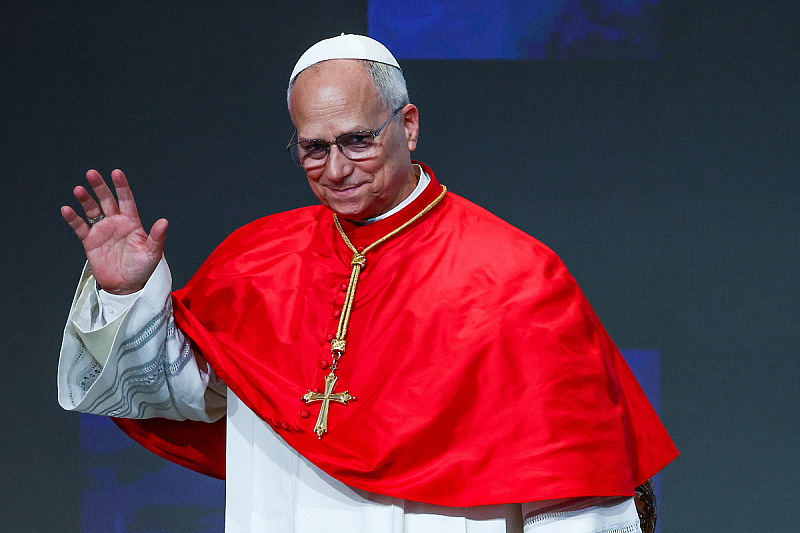
The Pope embarked on a tour of four African countries on Monday, namely Algeria, Cameroon, Angola, and Equatorial Guinea, with the aim of calling on world leaders to address the challenges facing the continent.
The conflict between secessionist militias and government forces has claimed thousands of lives in the Anglophone region of Cameroon since 2017.
An alliance, which they claim includes the Ambazonia Governing Council (AGovC), Ambazonia Prisoners of Conscience, and several separatist movements, announced that this regime will last from April 15 to 17 in the area they describe as Ambazonian territory.
Pope Francis is expected to visit the Anglophone city of Bamenda on April 16 as part of his ten-day tour.
In a statement delivered to Reuters, the group stated that their forces have been instructed to ensure a safe environment for civilians, pilgrims, foreign officials, Pope Francis, and his entourage.
The alliance described this decision as a humanitarian and security measure aimed at protecting civilian lives and enabling people to participate in the visit without fear, emphasizing that the Pope's journey is of a spiritual nature.
"This decision reflects a conscious commitment to responsibility, restraint, and respect for human dignity, even in the context of an ongoing conflict," said Lucas Asu, spokesperson for AGovC, which oversees one of the largest militias in western Cameroon, the Ambazonia Defense Forces.
Separatist leaders have also called on all parties to respect the period of safe passage.
However, previous ceasefires and humanitarian pauses announced by Anglophone separatists have not always been respected by all armed factions operating in the unstable regions of this Central African country.