The American and Iranian delegations sat for 21 hours of negotiations, but control over the strategic waterway remained the central point of contention. According to Iran, the reason for this is excessive demands from the U.S. On the other hand, U.S. Vice President JD Vance stated that Iran must abandon its nuclear program in the long term.
On Sunday, Vance announced that his negotiating team is leaving Pakistan after failing to reach an agreement with Iran, jeopardizing a fragile two-week ceasefire while continuing the blockade of the Strait of Hormuz, which is causing economic disruptions worldwide.
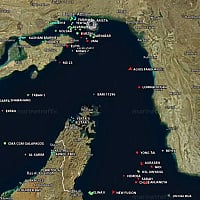
Data from MarineTraffic, recorded from Saturday afternoon to early Sunday morning UTC, showed a small number of commercial vessels moving through the Strait of Hormuz in both directions.
Among them were an LPG tanker, a cargo ship, and several crude oil and chemical tankers flying the flags of Malta, Liberia, and Pakistan.
This is only a fraction of the approximately 150 vessels that used to cross the waterway daily before the conflict began. However, after Israel and the U.S. attacked Iran, their response was directed at blockading this strait, through which 20 percent of the world's oil typically passes.