Travel, whether for business or tourism, is now an indispensable part of modern life and an important economic driver in many countries around the world. The largest number of tourists are still drawn to countries like France, Spain, and the United States, while among cities, Bangkok stands out, attracting around 22 million visitors annually. Paris comes in second with over 19 million international arrivals.
However, alongside mass tourism, there is another side to global travel—destinations that remain off the main tourist trails. The reasons for this are numerous: geographical distance, high travel costs, underdeveloped infrastructure, as well as perceptions of safety or political stability. Particularly affected are small island nations in the Pacific, which are often difficult and expensive to reach.
Experts emphasize that a smaller number of visitors does not necessarily mean a weaker tourist experience. On the contrary, many of the least-visited countries offer untouched nature, fewer crowds, and more authentic experiences, often at lower prices compared to popular destinations.
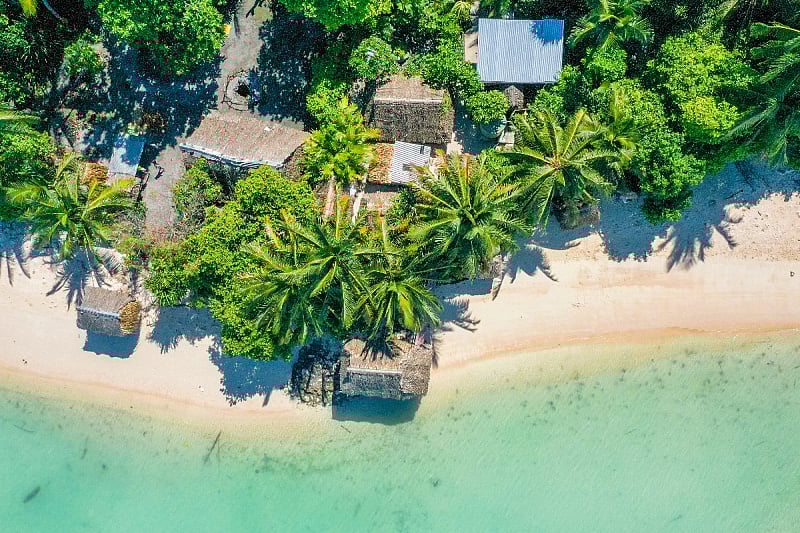
According to data from the United Nations World Tourism Organization, the title of the least-visited country in the world belongs to the Pacific island nation of Kiribati. This country had only about 2,000 visitors in 2022, a significant drop compared to the pre-pandemic period. Reasons include the aftermath of COVID-19, limited infrastructure, and increasingly pronounced climate change.
Despite this, Kiribati offers exceptional natural beauty. Its marine ecosystems attract diving enthusiasts and lovers of untouched nature, while the protected area of the Phoenix Islands is listed as a UNESCO World Heritage site. However, reaching this country remains challenging due to limited and irregular flight connections.
Besides Kiribati, the list of least-visited destinations includes the Marshall Islands, which had only a few thousand tourists annually before the pandemic and are still recovering. These islands are known for their rich marine flora and fauna, as well as their history linked to World War II and nuclear testing.
Among the rarely visited destinations is Niue, a self-governing island state in free association with New Zealand, which stands out precisely for the absence of mass tourism. Visitors here encounter no crowds, traffic jams, or a hectic pace of life, but rather natural peace and simplicity.
Micronesia, located between the Marshall Islands and Palau, offers a similar blend of natural beauty and historical sites, including shipwrecks from World War II.
On the other hand, the Caribbean island of Montserrat is an example of a destination whose tourism has been severely impacted by natural disasters. After a devastating volcanic eruption in 1995, a large part of the island was abandoned.