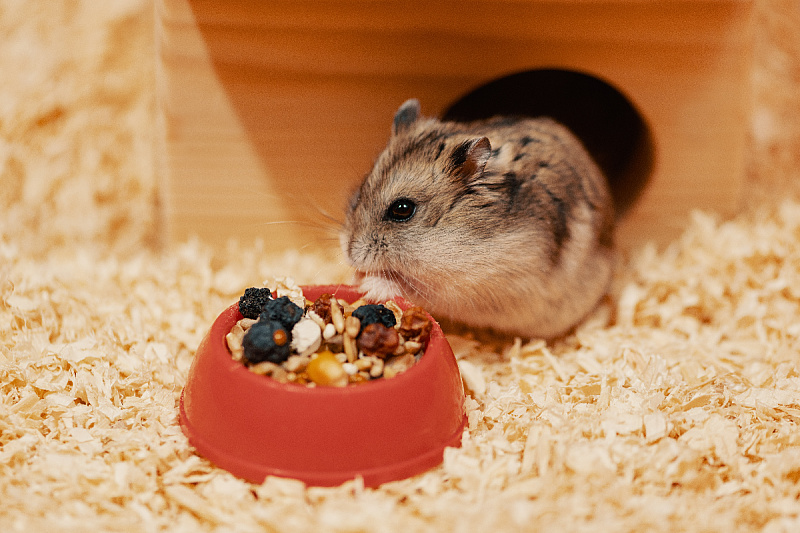
According to experts from The Spruce Pets, the foundation of their diet should consist of high-quality pellets that provide all necessary nutrients. Seed mixes may look appealing, but hamsters often eat only the fatty seeds and ignore the rest, which can lead to nutritional deficiencies. Fresh foods like pieces of vegetables or fruit can be a great addition. Small pieces of lettuce, cucumber, broccoli, zucchini, and even apples or berries enrich the diet with vitamins and make it more interesting. However, fresh food should only be a supplement to the basic diet, not a replacement. Hamsters can occasionally receive small amounts of protein, such as pieces of boiled egg or dried insects, while nuts and other treats should be given in very small quantities to avoid excess calories. On the other hand, some foods are completely prohibited: raw potatoes, onions, garlic, citrus fruits, chocolate, sweets, and salty foods can be toxic or difficult to digest for a hamster's delicate digestive system. Of course, hamsters should always have fresh water available, ideally in a bottle designed for hamsters and rodents, as hydration is just as important as food.
Society
From pelleted granules to fresh fruits and vegetables: What hamsters are actually allowed to eat
Hamsters are small, but quite demanding pets when it comes to diet. Although we often see them eating pasta or sweets on social media, it is important to know that they cannot eat just anything, and the wrong food can seriously harm them.
ingestion