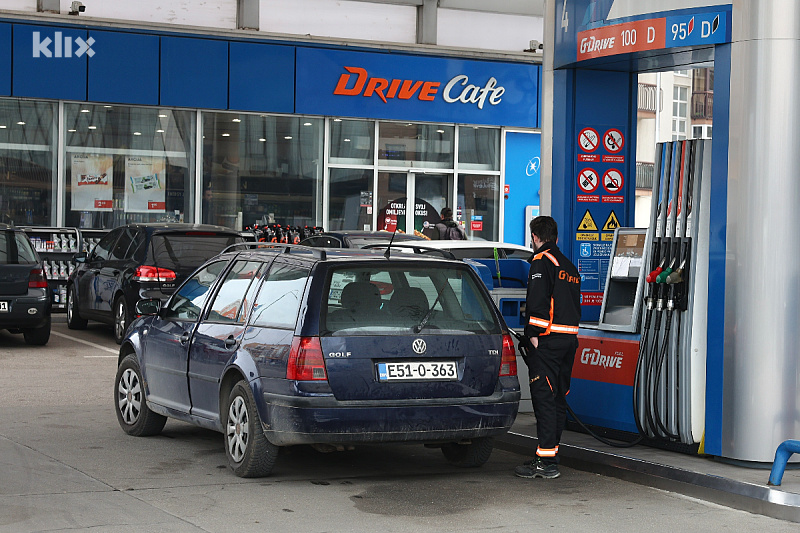
Europe, whether it wants to or not, is getting used to a new reality. Gasoline and diesel, which have fluctuated for years under the pressure of geopolitical turbulence, will no longer become cheaper. Not with a truce. Not with a ceasefire. Not with a diplomatic agreement.
The conflict with Iran is not the cause of the crisis; it is merely a mirror that has shown how fragile the system was, relying on stable deliveries from just a few regions. When the balance was disrupted, prices soared, and they will continue to rise.
Why is the recovery not coming?
The problem is multi-layered. Shipping routes are disrupted, supply chains are broken, and their restoration is not a matter of weeks or months, but years. Even when the war ends, the market will not immediately relax—it remains tense, distrustful, uncertain.
Moreover, Europe is consciously changing course. After the Russian invasion of Ukraine, the union turned its back on cheap but risky energy sources and began importing from greater distances. That decision has its price. Longer routes, more complex logistics, and smaller suppliers mean more expensive deliveries. Security costs.
Financial markets are not helping either. Investors are embedding geopolitical risk directly into the price of oil because they know tensions can escalate at any moment. This fear premium remains, even in calmer periods.
Fuel is just the tip of the iceberg
High prices at the pump are only the most visible symptom. Energy permeates everything: transportation, food, production. More expensive fuel means almost everything we buy daily becomes more expensive. And even if oil were to become slightly cheaper, consumers would wait a long time to feel that relief in their wallets.
Europe is entering an era with no return to the old ways. A new standard is forming—more expensive, more unstable, but potentially more resilient to future shocks. The message is simple and unpleasant: anyone waiting for peace to automatically bring back old prices is waiting in vain, according to world media reports citing statements from AP News, Reuters, and The Guardian.