Effective from January 1, 2026, this rule applies to individuals planning to stay abroad for more than three months, whether for education, employment, or long-term travel, reports Berliner Zeitung. Those subject to the rule must secure approval from the Bundeswehr Career Center before departure.
This requirement is now a permanent part of German legislation, introduced through the Military Service Modernization Act. The measure was implemented with little public attention.
Previously, such permits were mandatory only during times of heightened external threat or a state of defense, such as a direct attack on federal territory. According to the new reforms, the rule applies during peacetime and normal conditions.
A spokesperson for the German Federal Ministry of Defense confirmed the introduction of the new travel permit requirement. In a statement to the press, the spokesperson explained that "the basis and guiding idea of this rule is the reliable and credible tracking of those obligated for military service if needed."
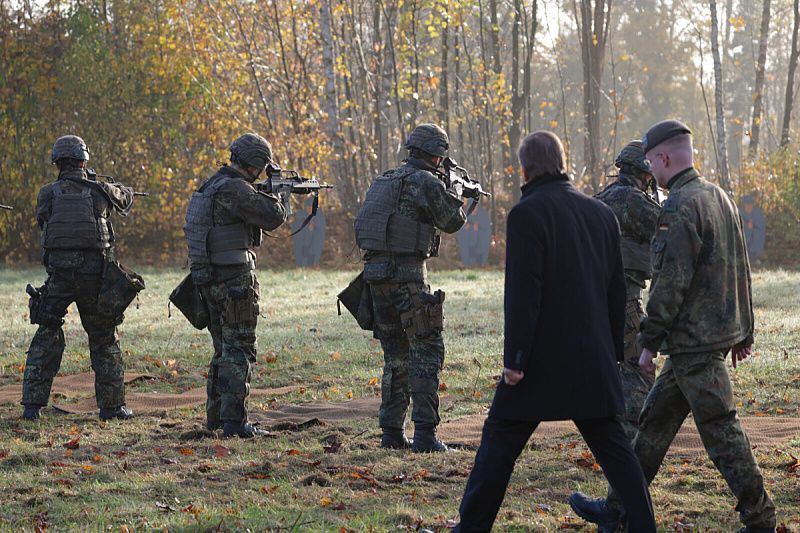
The travel permit system is part of a broader federal government initiative to strengthen the Bundeswehr. Germany plans to increase the number of soldiers from the current approximately 184,000 to between 255,000 and 270,000 by 2035. As part of this initiative, all young men born in 2008 or later must complete a questionnaire regarding their willingness to serve in the military. While the survey is mandatory for men, it remains voluntary for women.
Erkki Koort, Director of the Institute of Internal Security at the Estonian Academy of Security Sciences, argued that Germany is a more logical and accessible target for Russia within NATO than the Baltic states.
He suggested that since Germany serves as the logistical and strategic heart of Europe, anyone seeking to weaken the alliance must first strike at its center. The expert highlighted several factors that make the country vulnerable, including its role as a strategic hub and the presence of a large Russian-speaking population.
In conclusion, Koort stated that neutralizing Germany would hold significant propaganda value for the Kremlin, while effectively paralyzing NATO's eastern flank.