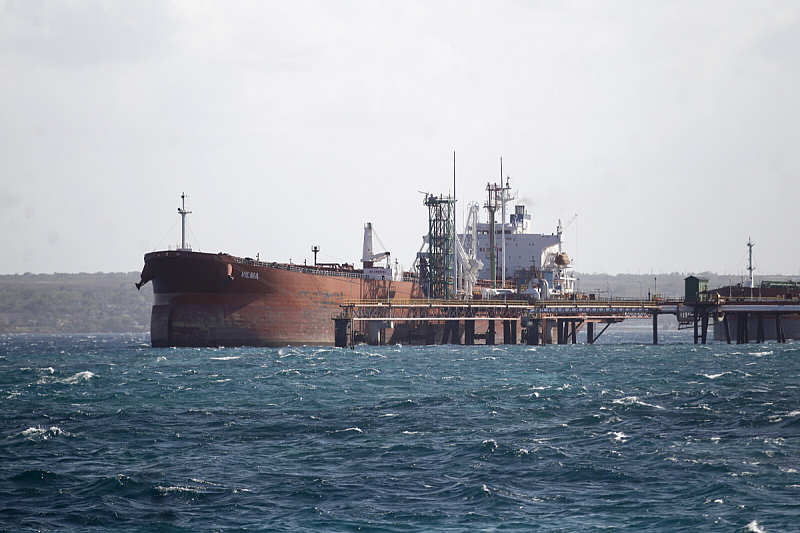
The inability to reach an agreement between the U.S. and Iran after marathon negotiations has heightened nervousness in global oil and gas markets, while a large number of tankers remain stuck in the Gulf. U.S. Vice President JD Vance accused Tehran of being unwilling to abandon its nuclear program, while Iranian sources stated that Washington's demands were "excessive."
Governments worldwide are increasingly concerned about the long-term effects of rising inflation following spikes in oil and gas prices. Central banks are hinting that previously announced interest rate cuts may need to be reconsidered. In Ireland, social unrest has erupted as protesters took to the streets of Dublin over the past week and weekend due to the rising cost of living.
Mohamed El-Erian, advisor to German insurer Allianz and former president of Queens' College at the University of Cambridge, assessed that uncertainty will continue to dominate evaluations of the financial impact of the war. He noted that both sides acknowledged it is "too optimistic" to expect a quick agreement given the complexity of the issues, adding that neither has clearly outlined the next steps, even as global attention focuses on continued Israeli attacks on Lebanon over the weekend.
El-Erian emphasized that without a swift resumption of negotiations, the initial reaction of financial markets at the start of the trading week will be further increases in oil prices and borrowing costs. According to him, the extent of sell-offs in stock markets, where investors have been more optimistic than in other asset classes, will depend on whether they recognize the real possibility of further diplomacy. For the United Kingdom, he said, this means another blow to the cost of living and less room for fiscal and monetary policy maneuvers.
Oil prices fluctuated sharply, falling below $100 per barrel on Wednesday after a ceasefire was reached. They ended the week lower, with Brent crude at $94.26 per barrel, down from a peak of $119.45 during the war and around $72 before the conflict erupted. The U.S. benchmark West Texas Intermediate closed the week at $95.63 per barrel.
To prevent another surge in oil prices, Saudi Arabia announced it has restored its east-west oil pipeline and other infrastructure following Iranian attacks across the Gulf. According to a statement from the Energy Ministry, carried by the official Saudi Press Agency, the attacks resulted in "a loss of approximately 700,000 barrels per day of pumping capacity through the east-west pipeline," and work is ongoing to fully restore capacity at the Khurais oil field.
The impact of the war on the global economy will dominate the spring meetings of the International Monetary Fund and the World Bank in Washington, which begin on Monday. IMF Managing Director Kristalina Georgieva announced that three scenarios will be presented this week, all forecasting lower economic growth and higher inflation, with a special focus on the most vulnerable economies.