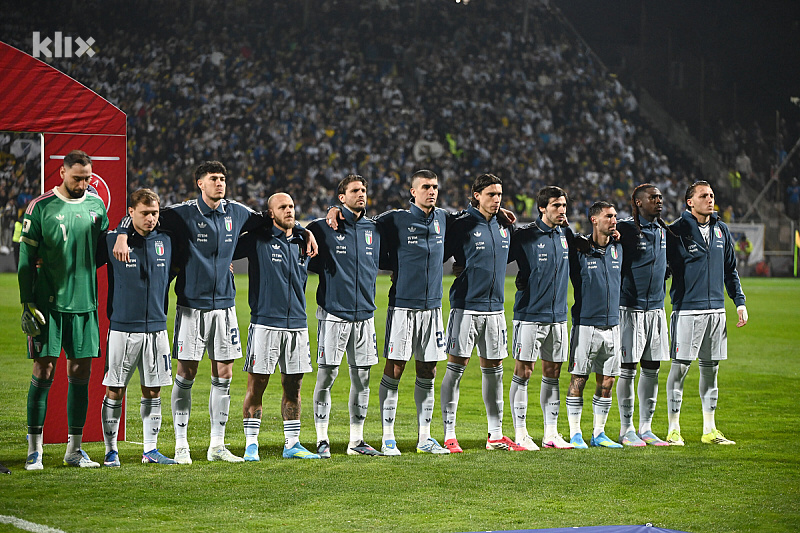
Namely, the hosting of Euro 2032, which Italy will organize together with Turkey, presents an opportunity to launch infrastructure projects that have largely remained at the planning stage since the 1990s. Turkey has significantly upgraded its facilities, from Vodafone Park in Istanbul to the Yeni Hatay Stadium in Antakya, but the future of Italian stadiums remains uncertain. Only Juventus's home, the Allianz Stadium in Turin, meets modern standards, with Udinese, Atalanta, and Sassuolo being the only other clubs owning their own stadiums. Milan and Inter have announced plans to build a new stadium to replace San Siro, Roma has presented a project in Pietralata, and Lazio one in Flaminio. Cagliari is also making some progress, but all these projects are still only on paper, and construction has not yet started on any of them. There is a real danger that Turkey may ultimately become the sole host of the competition, given that Italy currently has only one stadium that meets UEFA standards and needs five more. Candidate cities must submit evidence of construction progress to the Italian Football Federation by June, after which the federation will begin talks with UEFA in the autumn about the selected stadiums. Italy faces a real race against time, as well as a power struggle between the football federation and the government.