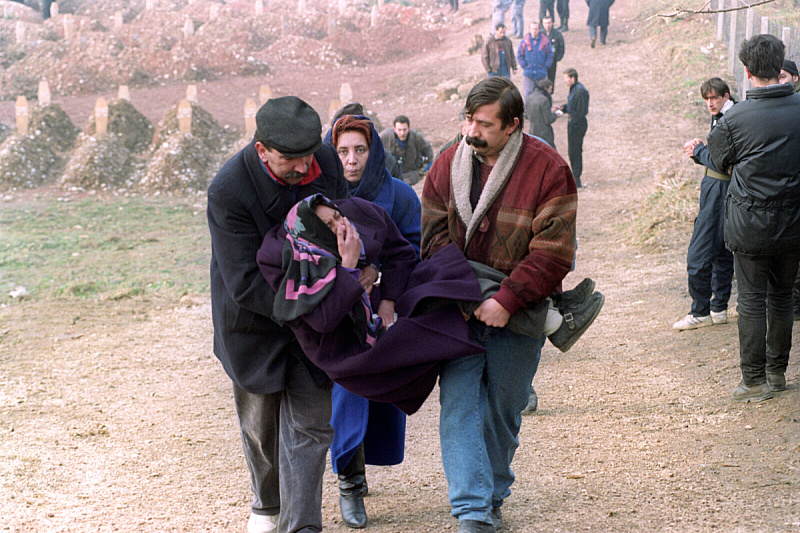
The siege lasted a total of 1,425 days, during which the Serbian aggressor subjected the citizens of Sarajevo to near-constant shelling and sniper fire. Moreover, for three and a half years, Sarajevans were essentially deprived of basic living conditions—without electricity, heating, or water in their homes, which were constant targets for the aggressor forces positioned on the hills surrounding the city. In the end, over 11,000 citizens of Sarajevo were killed during the siege, including more than 1,600 children. On average, nearly 330 shells hit the city daily, while sniper fire made crossing certain parts of the city a deadly mission. The only reason the siege did not turn into an occupation of the capital of the then Republic of Bosnia and Herzegovina as early as 1992 was the brave fighters of the Army of RBiH, together with units of the Ministry of Internal Affairs, Territorial Defense, and organized citizens, who repeatedly prevented the far more numerous and better-equipped aggressor from cutting off the city. Even with the immeasurable courage shown by the city’s defenders, several settlements were occupied in the early days of the aggression against BiH, including Grbavica. As an example of what would most likely have happened to the rest of the city had it not been defended multiple times, life for the non-Serb population in Grbavica was hell. Mass killings, abuse, rapes, and numerous other crimes were daily occurrences for the non-Serb citizens of Grbavica, leading many to risk attempts to cross into the free part of the city, even at the cost of their lives. When the end of the siege of Sarajevo was finally declared on February 29, 1996, citizens who had endured an unimaginable hell for three and a half years could breathe a sigh of relief, at least for a moment. However, the wounds remained, and even 30 years after the end of the siege, they are still open—partly because Sarajevans are still hindered from expressing their experiences and are told that "it wasn’t really like that," despite what they saw, heard, and felt, and despite what has been adjudicated by the highest judicial authorities in the world. In a time where truth is secondary to narrative, where documented history is openly denied, where the culture of remembrance is portrayed as "dwelling on the past," and where pain and suffering are relativized and diminished, we must not forget the sacrifice Sarajevo made, remaining a tolerant city that opens its doors to everyone. Remembering the beginning of the siege also means remembering the over 11,000 people killed in their city by aggressors’ shells, projectiles, and bullets, and the 1,600 children who were targeted on playgrounds, in schools, and in maternity wards. Of course, it also means remembering the brave defenders of the city, who, under impossible conditions and against overwhelming material odds, managed to protect their fellow citizens throughout the siege. Finally, it should be added that the Prosecutor’s Office of BiH is still working on cases related to the shelling of Sarajevo during the siege, as well as the "Sarajevo safari" case, which has also drawn the interest of the global public.
Society
On this day in 1992, the siege of Sarajevo began: The city defiantly survived three and a half years of hell.
On this day, April 5, 1992, the siege of Sarajevo began, lasting until February 1996. The capital of Bosnia and Herzegovina survived three and a half years of hell, with enormous sacrifices and wounds that remain open to this day.
ingestion