Iran's paramilitary Revolutionary Guard denied launching attacks on Persian Gulf states following Kuwait's announcement. Israeli Prime Minister Benjamin Netanyahu offered a potential boost to ceasefire efforts in the region by stating he has approved direct talks with Lebanon. The Lebanese government had not responded by Friday morning. The announcement came after Israel's destruction of Beirut on Wednesday, which killed more than 300 people. Negotiations are set to begin next week in Washington, according to a source familiar with the process. The question remains open regarding what will happen to Iran's enriched uranium stockpiles at the center of tensions, how and when traffic through the Strait of Hormuz will be normalized, and what will become of Iran's capabilities for future missile attacks and support for armed proxy groups in the region. Talks between the United States and Iran to end the conflict are scheduled to begin on Saturday in Islamabad, with the White House announcing that the U.S. delegation will be led by Vice President JD Vance.
Society
Kuwait blames Iran for drone attacks, Revolutionary Guard rejects accusations
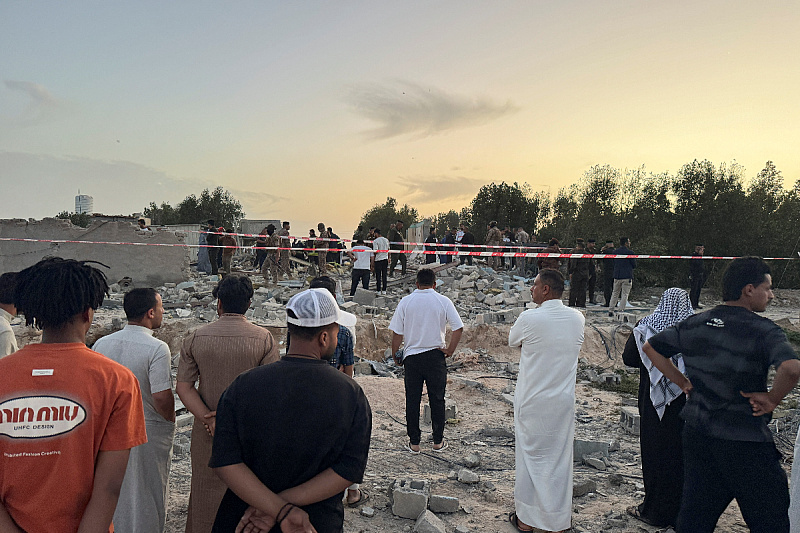
U.S. President Donald Trump has questioned the effectiveness of the two-week ceasefire due to Iran's continued pressure on the Strait of Hormuz, while Kuwait accused Iran and its proxy forces on Thursday of carrying out drone attacks on its territory despite the ceasefire.
ingestion