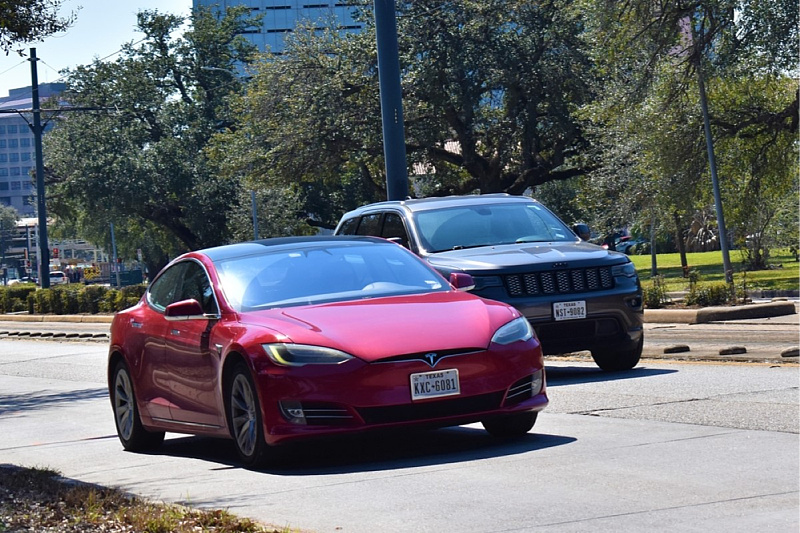
However, problems arose almost immediately after the purchase. The very next day, she noticed that the battery was losing capacity much faster than it should. Overnight, the charge level would drop significantly, and after a short drive, it would decrease further, until charging became impossible.
After an inspection at the service center, it was determined that the battery was seriously damaged and required replacement. The estimated repair cost was as high as $16,000, and in the text published by Motor1, it was not specified whether it was a partial replacement or the entire battery, which would be strange if it wasn't a used vehicle.
The key issue was that the vehicle was no longer covered by the battery warranty. Although Tesla typically offers an eight-year warranty or up to 150,000 miles (about 240,000 kilometers), in this case, that period had already expired.
As a result, the owner must cover all the costs herself, significantly increasing the total price of the vehicle. When factoring in the repair, it turns out that it might be more cost-effective to buy a newer or even brand-new car rather than risk purchasing a used electric vehicle with a worn-out battery. However, she later admitted that she hadn't done enough research before buying.
Although such cases sound concerning, statistics show that battery failures are less common today than before. For vehicles produced between 2017 and 2021, the battery replacement rate has dropped to about two percent, thanks to technological advancements. Nevertheless, the health of the battery in a used vehicle is crucial to check before purchase.