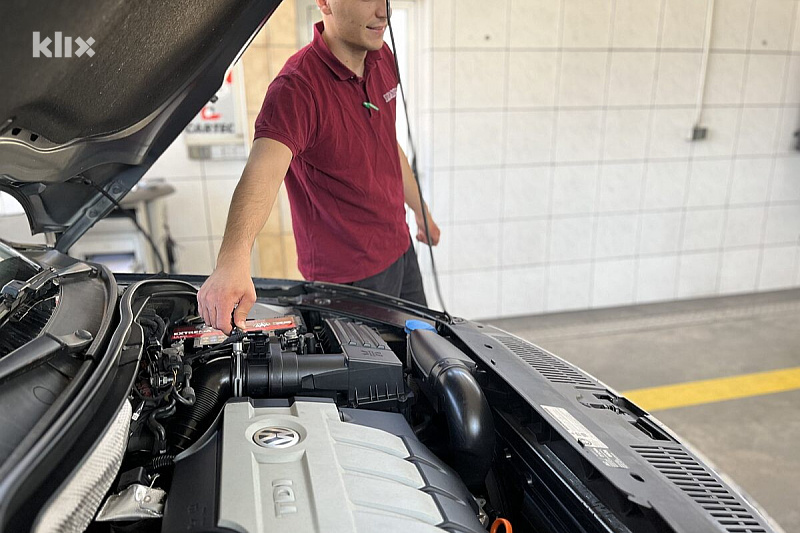
The European Commission is preparing a new directive that will make vehicle technical inspections significantly stricter and more technologically advanced. This involves updating the 2014 regulations on vehicle technical inspections.
The reason is a specific problem that has evaded control for years. Drivers use cheap diagnostic devices to alter their car's settings or deliberately disable certain systems and components, then pass the technical inspection as if nothing has been changed. The new technical inspection in Europe will soon read all modifications made to the car.
OBD – a small port, big possibilities Every modern car has an OBD diagnostic port—a small connector usually located under the steering wheel. Manufacturers and service centers use it to read errors and perform diagnostics. However, in recent years, cheap devices intended for ordinary drivers have appeared on the market, allowing much more than just reading errors via a smartphone.
These devices can permanently disable the start/stop system, increase engine power, turn off the EGR valve that reduces harmful gas emissions, and even unlock features that manufacturers charge for as additional equipment. The problem arises when a car modified in this way passes the technical inspection without any remarks, as current inspections simply do not detect these changes.
What does Europe plan to change? The new regulation stipulates that technical inspections will no longer be limited to checking the physical components of the vehicle, such as brakes or suspension. Officials will be able to read the car's electronics and verify whether safety systems—such as automatic emergency braking, lane-keeping assist, or cruise control—are active or intentionally disabled.
With this method, technicians will be able to detect if the EGR valve has been deactivated, a widespread practice that current routine inspections do not identify. Additionally, increasing power also raises pollution levels, which is also a target of the new regulations.
To detect manipulated emissions, the OBFCM system will be used, which has already been mandatory in all new vehicles sold in the EU since 2021. It records actual fuel consumption and driving patterns in everyday use, and this real-world data will be subject to inspection during technical checks.
Changes related to emissions could be implemented relatively quickly—within one to two years. Stricter checks of electronic safety systems may be slightly delayed, but one thing is certain: all will be in force before 2030, at least in the developed part of the Old Continent.
For drivers accustomed to "tuning" their cars at home, disabling exhaust gas processing satellites, or increasing engine power, and then passing the technical inspection without issues—that period is soon coming to an end.