The key is not in routine but in understanding the plant's needs and the conditions in which it grows. One of the biggest mistakes is watering plants even when they don't need water. Too much water actually "suffocates" the roots by displacing oxygen from the soil, which can lead to root rot and plant decline. Horticulture expert Justin Hancock (Costa Farms) warns that constantly moist soil prevents roots from breathing, directly affecting the plant's health. Instead of sticking to a routine, check the soil with your finger. If it's dry a few centimeters below the surface, it's time to water. One of the most common habits is watering "every Sunday" or on a specific day. The problem is that plants don't follow a calendar—their needs depend on light, temperature, and season. Therefore, always check soil moisture before watering. The "finger test" method or using a moisture meter for more accurate results is recommended. Contrary to popular belief, underwatering is not harmless either. When a plant doesn't get enough water, it loses internal pressure in its cells, causing it to wilt and weaken. Also, frequent "drop-by-drop" watering only moistens the surface, while the roots remain dry. Water thoroughly until water starts draining through the drainage holes, and then allow the soil to partially dry before the next watering. <b>Poor Drainage and Water Retention</b> Leaving water in the saucer or using pots without drainage holes can quickly lead to root rot. The roots then lack access to air, and the plant begins to decline. Therefore, always use pots with holes and empty excess water from the saucer 15–20 minutes after watering. It should be noted that plants don't need the same amount of water throughout the year. In winter, when growth slows, water needs decrease, while in summer, they increase due to heat and light. Adjust watering according to the season—less in winter, more during active growth periods.
Society
What are the most common mistakes when watering plants and how to avoid them
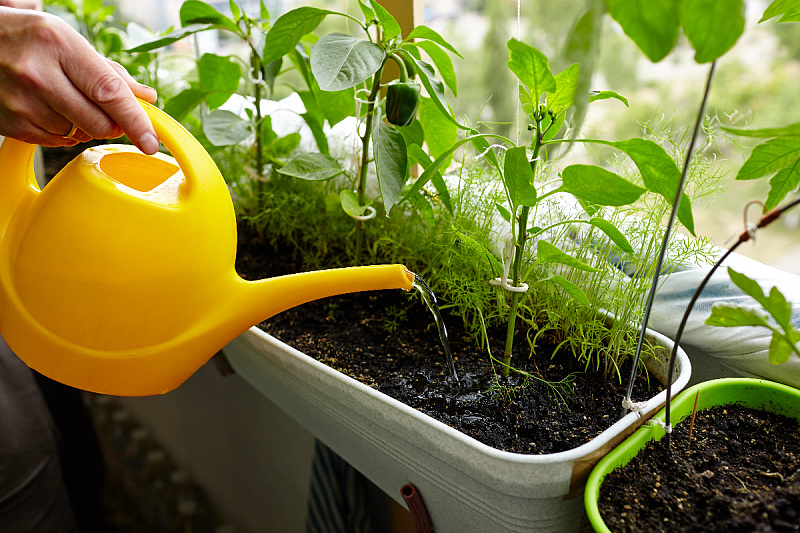
Watering is the most important, yet most commonly misunderstood aspect of plant care. Although many believe it is enough to pour water from time to time, experts emphasize that improper watering is most often the cause of plant deterioration.
ingestion