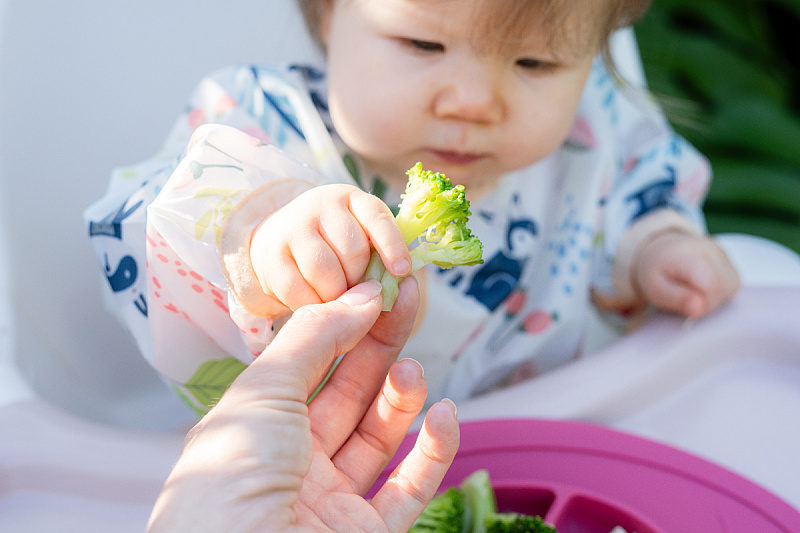
When a baby starts consuming solid foods, it is important to know which foods should be limited or completely avoided. These include sweetened drinks and fruit juices, as well as coffee and tea, including herbal beverages that are not recommended at this age. Additionally, unpasteurized milk and honey should not be given to babies under 12 months old.
Special attention should be paid to raw or undercooked eggs due to potential bacteria, as well as processed foods that often contain too much salt and additives. Low-fat milk is not recommended for the first two years of life, and alternative milks such as goat, sheep, soy, coconut, or almond should be avoided unless advised by a doctor.
Parents should also avoid hard foods like whole nuts and uncooked vegetables until the age of three, as they pose a choking risk. In families that do not consume animal products, a vitamin B12 supplement may be necessary, and it is important to discuss this with a doctor.
When it comes to introducing cereals, it is recommended to start with fortified baby cereals, such as rice cereal, and then gradually introduce oatmeal and other whole grains. It is important to avoid adding sugar and honey, as well as products with added chocolate or sweeteners.
Fruit is best introduced in the form of purees from cooked apples, pears, peaches, or apricots, as well as mashed bananas. Later, softer pieces of fruit can be introduced, but larger pieces of raw apple should be avoided due to the risk of choking.
Proteins are initially given in pureed form, and later, soft pieces of chicken, ground meat, or fish can be introduced. Legumes, tofu, and eggs are also good options, but without added salt. Processed meat products should be avoided due to their high salt content.
Dairy products are introduced gradually, with breast milk or formula remaining the primary nutrition until the first year. Small amounts of milk can be added to meals, and unsweetened yogurt and grated cheese can be good choices alongside fruit or vegetables.
Proper and gradual introduction of food helps the baby develop healthy eating habits and gives parents confidence that the child is receiving all the necessary nutrients for growth and development.