"Iran is in no hurry, and as long as the United States does not agree to a reasonable deal, there will be no change in the status of the Strait of Hormuz," reports Fars, quoting a source from the Iranian negotiating team.
The negotiations were also addressed by the spokesperson of the Iranian Ministry of Foreign Affairs, Esmaeil Baqaei, who stated that disagreement over "two or three key issues" prevented reaching an agreement with the United States in Islamabad.
Baqaei said on Sunday for the state television IRIB that the two sides had reached an agreement on some issues but noted that there is a "difference in positions" on other matters.
In his comment, he used a milder tone compared to Iranian state media regarding the continuation of negotiations. Baqaei said that "diplomacy never stops."
"There should not have been an expectation that we could reach an agreement in one session. I think no one had such an expectation," he said.
Baqaei expressed confidence that Iran would remain in contact with Pakistan, the mediator in the talks, and with "other friends in the region," although he did not specify whether Tehran plans to continue talks with the United States.
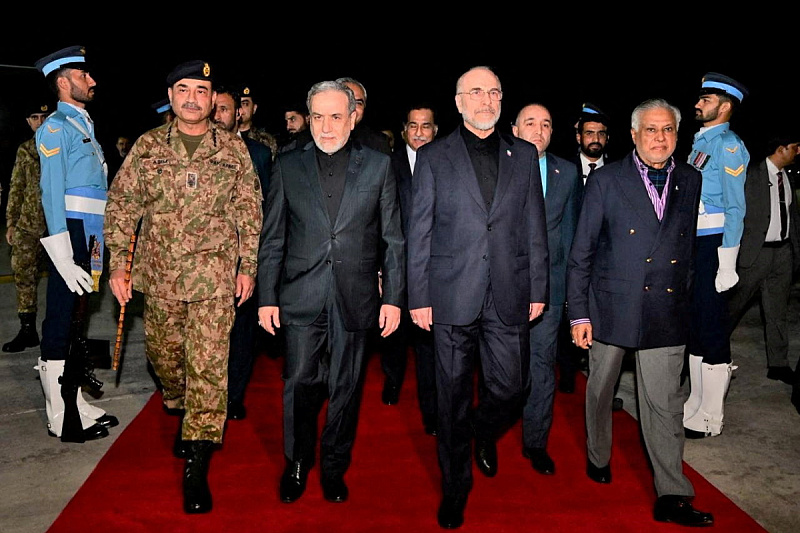
Recall that marathon talks between the two sides in Islamabad, which lasted through the night, did not lead to an agreement to end the war.
U.S. Vice President JD Vance said the outcome is "bad news" for Iran, while former Iranian Vice President Ataollah Mohajerani told Fars that it is "worse news for the United States."
"The U.S. proposed negotiations, organized a mediator, and agreed to ten Iranian conditions for talks, but tried to achieve at the negotiating table what they failed to gain on the battlefield," said Mohajerani.
The Iranian delegation left Islamabad around midnight Eastern Time (ET), state media reported.