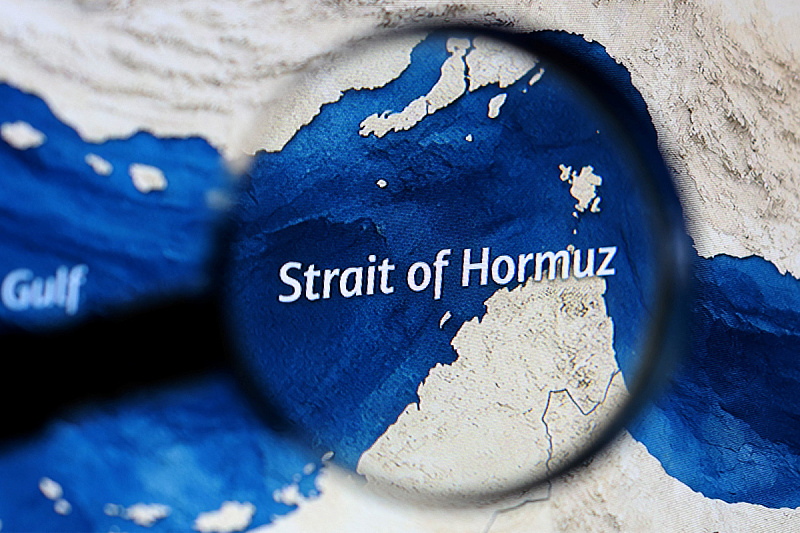
A key part of the agreement concerns the Strait of Hormuz, which should now be opened. According to U.S. media reports, the Strait of Hormuz will operate in a somewhat different manner until a potential comprehensive and permanent ceasefire is reached. First and foremost, passage should be limited to 10 to 15 ships per day, which will need to obtain permission from the Iranian military. For comparison, before the U.S.-Israeli attack on Iran, around 100 ships passed through Hormuz daily. Additionally, Iran and Oman, the country on the other side of the strait, will charge customs duties for each passage, which should be paid by the companies whose ships wish to pass through this strait. Tehran had previously announced the introduction of ship passage fees as a way to finance the country's reconstruction after the conflict ends. Likewise, the U.S. should release access to frozen assets of the Iranian authorities as part of this agreement. Oil prices on global exchanges have sharply fallen since U.S. President Donald Trump announced a ceasefire with Iran. They are now trading significantly below $100 per barrel. What everyone now expects is the safe passage of tankers through the Strait of Hormuz, at least during the two-week ceasefire.
Society
What the passage through the Strait of Hormuz should look like during the truce: Companies will pay Iran and Oman
The United States and Iran have agreed to a two-week ceasefire, temporarily halting the conflict that began with U.S.-Israeli attacks on February 28.
ingestion