Changes to export policy come at a time when, according to Reuters reporting, President Donald Trump is wavering on U.S. security commitments to allies, while simultaneous wars in Iran and Ukraine strain American weapons stockpiles. The Japanese government intends to formally adopt new rules as early as this month, three Japanese government officials confirmed. Despite decades of pacifism and the fact that the country has largely stayed on the sidelines of the global arms market since World War II, Japan is allocating about $60 billion for its military this year. That level of spending sustains a significant defense industry capable of producing advanced systems, including submarines and fighter jets. Among potential new buyers of Japanese weaponry are the Polish army and the Philippine navy, which are conducting modernization programs for their forces amid regional tensions. The easing of arms exports is also attracting attention from other countries seeking alternative suppliers to reduce dependence on Washington and mitigate risks of supply disruptions due to multiple concurrent conflicts. Japanese companies like Toshiba and Mitsubishi Electric are already responding to the announced changes by increasing hiring and industrial capacity in the defense sector. In doing so, Tokyo aims to strengthen its domestic industrial base to meet growing demand for advanced military products and bolster its position in the global arms market in the long term. Simultaneously, U.S. security policy and disruptions in global supply chains are further driving interest in Japanese weaponry among U.S. allies. The announced rule change represents, as reported by Reuters, Japan's biggest opening for arms exports since the end of World War II, with potentially significant implications for regional and global security architecture.
Society
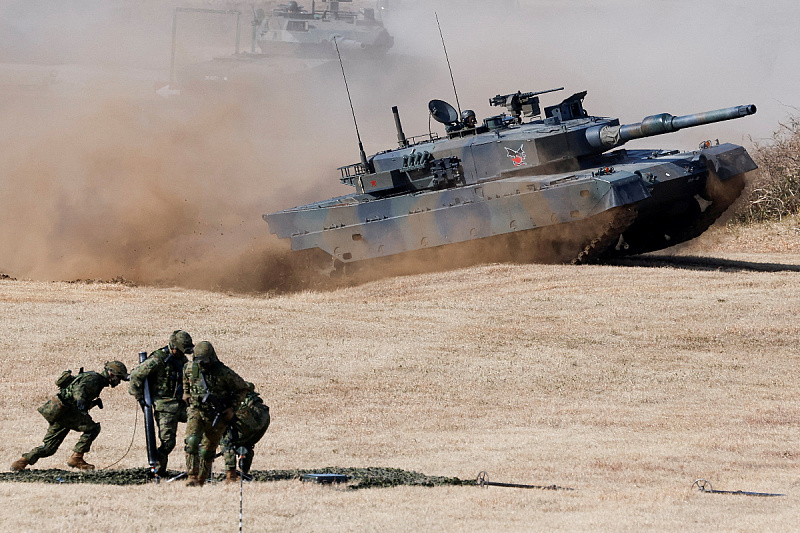
Japan is entering the global arms market, as Tokyo shifts its decades-long policy and moves toward rearmament.
On April 15, 2026, the Japanese government, led by Prime Minister Sanae Takaichi, approved the easing of arms export regulations, sparking significant interest from Poland, the Philippines, and other allies concerned about reliance on the United States.
ingestion