Federal Judge Bradley Murray presided over a hearing discussing the potential extradition to Bosnia and Herzegovina, considering that the authorities of our country have requested that Alukić be tried in BiH. However, as U.S. media highlight, the topic ultimately turned to the potential release of Alukić from prison while Murray decides on the extradition. Federal prosecutors oppose releasing Alukić, arguing that pretrial release in such proceedings is extremely rare and not justified in this case. The defense, on the other hand, believes this case falls into one of the narrow categories of "special circumstances" where it is permitted. The authorities of our country claim that Alukić was a member of a Bosniak paramilitary group during the civil war in the early 1990s and participated in two deadly attacks: an ambush in which a car driver was killed and an attack on a house that was set on fire. Alukić's wife, son, and sister testified that they would take on the role of guarantors if he is allowed to remain free while fighting extradition. His lawyer, Arthur Madden, told the judge that electronic monitoring would provide an additional level of security to ensure he remains in Mobile County. Madden said his client should be allowed to continue living in his mobile home on Schillinger Road so the defense has time to prepare arguments against extradition. Madden noted that his client is 70 years old and in poor health. "He does not speak English, has no means to escape even if he wanted to. He is not going anywhere," he said. Assistant U.S. Attorney George May stated that the law allows release during extradition proceedings only in "extremely limited" cases. "In this case, there is nothing that justifies special circumstances," he said. Alukić's sister, Samra Grediček, testified that she came to the Mobile area as a refugee in 1998. She said she and Alukić suffered terrible losses during the civil war. "Both parents were killed in front of the house," she said. Alukić's son, Bernard Alukić, testified that his family was a victim of Serbian aggression during the war. He said he was a boy when heavy Serbian artillery shelled his village. He stated that the family hid in a basement and then fled to the mountains. He testified that he witnessed "ethnic cleansing" and that he and his mother ended up in a camp for a while, while his father hid in the mountains. Alukić stated that the family eventually moved to Mobile because his aunt already lived in the area. In a court filing, Madden indicated that his client intends to argue that there is no probable cause and that Alukić is being targeted for political reasons. The filing questions the legitimacy of the authorities that controlled the area where Alukić lived during the war. In May 1992, Serbian citizens overthrew the elected government and established an ethnic police force, seized state property and institutions, and launched a pogrom aimed at killing, intimidating, and expelling non-Serb populations, Madden wrote. The filing states that in 1991, Alukić's hometown had over 49,000 Bosniaks, while two years later that number dropped to 6,124. Madden also questioned the long time gap between the alleged war crimes and the current attempts to return Alukić to Bosnia and Herzegovina. The filing notes that the charges are based on statements from two alleged accomplices—one from 1993 and another from 2006. However, the authorities of Bosnia and Herzegovina did not issue an arrest warrant until May 13, 2013. Another two years passed before BiH judicial institutions requested his extradition from the United States, and then another 11 years before a U.S. deputy marshal appeared at the Alukić family's address this year. The next step in the court process will be a "certification hearing," which will determine whether the extradition agreement is valid and applicable to Alukić.
Society
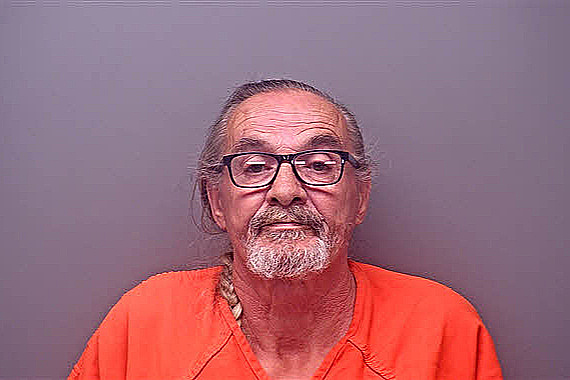
Hamdija Alukić does not want extradition to Bosnia and Herzegovina, his lawyer claims he is being politically persecuted.
The first hearing in the case of Hamdija Alukić, a citizen of Bosnia and Herzegovina, who is charged with a war crime committed in the Prijedor area in 1992, was held in Alabama.
ingestion