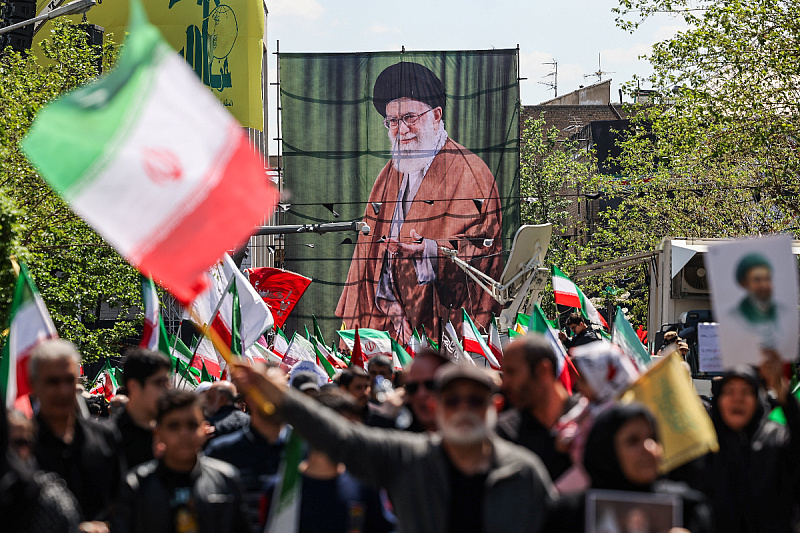
Simultaneously, the Iranian military warns of full combat readiness due to deep distrust towards Washington. Iranian Foreign Minister Abbas Araghchi stated that the U.S. must respect its ceasefire obligations, emphasizing that the agreement must also include Lebanon. During a phone call with newly appointed Iranian Ambassador to Lebanon Mohammad Reza Shibani, Araghchi strongly condemned the ongoing Israeli attacks on Lebanese territory, conveying that they must cease in accordance with the truce agreement. That Tehran will not easily come to the negotiating table was also confirmed by the Speaker of the Iranian Parliament, Mohammad Bagher Ghalibaf. He stressed that the scheduled negotiations cannot progress until specific demands are met. In a post on the X network, Ghalibaf noted that two previously agreed measures have still not been implemented: a complete ceasefire in Lebanon and the release of blocked Iranian financial assets before the talks even begin. "These two things must be fulfilled before negotiations even start," Ghalibaf was categorical. Ahead of the announced talks in Islamabad, the military also spoke out. The central headquarters "Hazrat Khatam al-Anbiya" informed the Tasnim agency that the military is keeping its "finger on the trigger" due to what they described as repeated "breaches of trust" by the United States and Israel. This military body also sent a clear message that Iran will not relinquish control over the strategically vital Strait of Hormuz, which it has already taken control of. The Iranian public is watching the developments with apprehension. Citizens are aware that a ceasefire alone does not necessarily mean the end of the war, given that the previous two rounds of negotiations ultimately resulted in armed conflicts. Nevertheless, many have taken to the streets to express support for the government, hoping that the talks in Islamabad could finally lead to the lifting of long-standing sanctions and economic pressure, which would completely transform the country. However, analysts warn of enormous obstacles. Ali Vaez, the Iran Project Director at the International Crisis Group and a former participant in U.S.-Iranian negotiations, told Al Jazeera that the upcoming round of talks will be extremely difficult due to a "deep trust deficit." Vaez reminds that Iranians have not forgotten how Donald Trump withdrew from the nuclear deal during his first term, nor the two recent attacks on Iran in the past nine months while negotiations were ongoing. He points out that the issues under discussion are extremely complex and technically demanding, requiring great diplomatic skill. "The Trump administration has shown in the past that it possesses none of that. They lack patience, they lack discipline, and they don't even send real experts to such negotiations who could successfully lead them," concluded Vaez.
Society
Two conditions for peace: What does Iran ultimately demand from the USA before the decisive meeting in Pakistan?
Iranian officials have clearly stated that negotiations with the United States cannot begin until key conditions are met, primarily a ceasefire in Lebanon and the release of frozen Iranian assets.
ingestion