Citizens of Bosnia and Herzegovina have been traveling to Syria since 2012 and joining various militant groups, with the largest number of them being part of the "Islamic State." Following the territorial defeat of the "Islamic State," many militants ended up in Kurdish and other prisons, including 22 Bosnian citizens currently in Iraq, as well as women and children of fighters from Bosnia and Herzegovina.
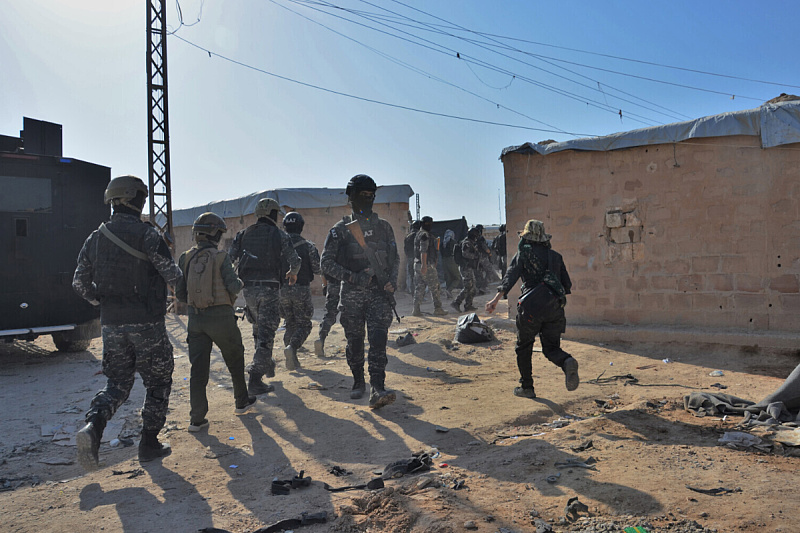
Adult fighters were held in separate camps from women and children; however, during the recent military pressure by the Syrian leadership on the Kurds in northeastern Syria, the camps have disbanded. Men were transferred to Iraq, while some women and children are in the Roj camp under Kurdish control in northern Syria, and some of them went to Idlib after the dissolution of the Al-Hol camp.
In February 2026, due to the newly emerged conflict situation in Syria and fears that they might escape, U.S. forces transferred prisoners to Iraq. A total of 5,700 individuals from 60 countries were transferred, among them 22 of our citizens.
The Supreme Judicial Council of Iraq confirmed to Radio Free Europe that Bosnian citizens are in Iraqi prisons, where they are suspected as militants of the so-called Islamic State and are under investigation. Previously, they had been held in prisons in Syria for years without any judicial process, and it has now been confirmed from Iraq that they will be appropriately prosecuted.
"All accused are currently in custody at the Central Al Karkh Prison and are undergoing preliminary investigative procedures before the competent court, in accordance with the applicable legal and procedural frameworks," it was stated for RSE.
The Iraqi Supreme Judicial Council also said that it is currently too early to discuss extraditions to Bosnia and Herzegovina. However, Iraq applies a strict anti-terrorism law, which prescribes long-term prison sentences, as well as the death penalty for affiliation with terrorist groups.
Before the recent military strike by the Syrian leadership on the Kurds controlling parts of the country, there were behind-the-scenes discussions about the return of foreign citizens to their home countries. There were plans for repatriation, but now they have been significantly reduced, especially regarding women and children, whose location is unknown and whose identity will be difficult to determine due to their departure from Kurdish camps.