Therefore, they have issued a dramatic appeal to all parties in the conflict to urgently find a solution and end the violence before it is too late.
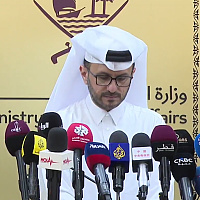
"Since 2023, we have been warning that if the escalation is not stopped, we will reach a situation we cannot manage. Now we are just one step away from that point," stated Majed al-Ansari, spokesperson for Qatar's Ministry of Foreign Affairs.
He emphasized the seriousness of the situation, adding: "If it is not brought under control, the escalation will lead us to a situation where there is no control. We are very close to that point. In this conflict, there are no winners, only ever-increasing losses."
The latest war conflict in the Middle East escalated on February 28 following coordinated U.S.-Israeli attacks on Iran. Tehran responded with fierce retaliatory attacks using missiles and drones across the region and also took the radical step of blocking the strategically important Strait of Hormuz. Through this passage, about one-fifth of the world's total oil production is normally transported, which has caused panic in global markets.
The situation was further intensified by U.S. President Donald Trump, who issued a sharp warning to Iran on Monday. Trump threatened to destroy the entire country "in just one night" if Tehran does not comply with his ultimatum and open the Strait of Hormuz by Wednesday at 8:00 PM Washington time (from Wednesday night to Thursday, at 02:00 our time).
As a direct consequence of the Iranian attacks and the general regional chaos, Qatar has found itself under serious threat. According to Al-Ansari, the country's food, water, and even environmental security are endangered, and Qatar is currently on the very edge of these challenges.
"We hope to overcome this and manage to return to a safer environment. However, it is entirely clear that everything currently happening is extremely concerning to us," concluded the Qatari official.