Located between the Persian Gulf and the Sea of Oman, the Strait of Hormuz is a crucial energy transport route, through which about 20 percent of the world's oil shipments pass.
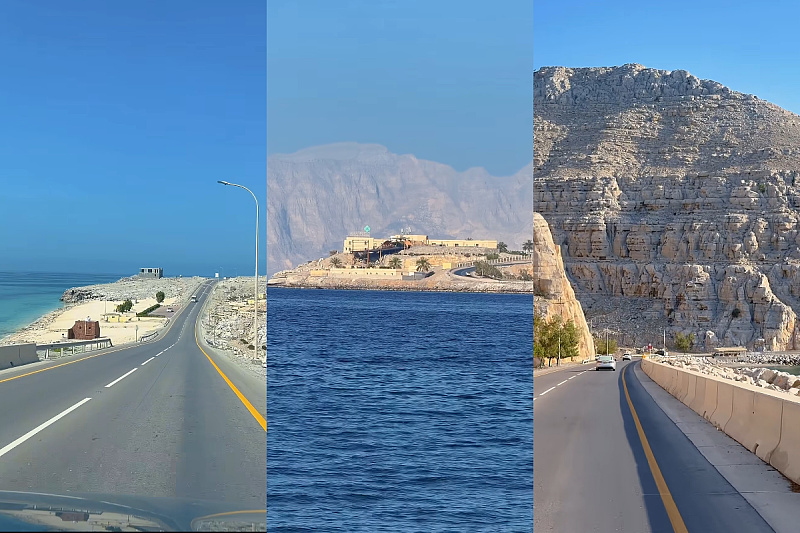
Contrary to the perception of an industrial and traffic-heavy area, the Strait of Hormuz is characterized by pristine natural scenery. The region abounds with dramatic fjords, emerald green seas, and diverse marine life, including dolphins.
Although it is one of the busiest and most sensitive maritime routes, the Strait of Hormuz also holds tourism potential.
Before the current restrictions, visitors could explore this area on traditional wooden boats (dhows), enjoying panoramic views, coral reefs, and sunsets.
In the gulf lies Hormuz Island, known for its colorful mountains and surreal red beaches.
The island is also home to the unusual Majara Residence, composed of 200 colorful domes of various sizes and shapes, built with the participation of the local island population using sandbag construction techniques. The domes, some of which are interconnected, include both accommodation and public facilities such as restaurants and cafes.
There is also the Iranian island of Qeshm, as well as Larak Island, which is surrounded by one of the most diverse coral reef areas in the Persian Gulf region.