The updated BMW 5 Series, expected in 2027, hints at a possible technical change in its diesel offerings. As reported by bmwblog.com among other sources, increasing indications suggest that the 520d will no longer be powered by the familiar four-cylinder diesel. Instead, an inline six-cylinder diesel could be introduced, which would represent an unusual step within the model hierarchy. Until now, the 520d has traditionally been equipped with the 2.0-liter four-cylinder B47 series. This configuration is an established standard in the segment and meets the needs of many customers, especially those using the car in fleets or for long journeys. A potential switch to the larger three-liter B57 series diesel would fundamentally change this concept. The B57 six-cylinder engine, introduced back in 2015, is undoubtedly one of the gems of BMW's more recent engine manufacturing history. In the current 540d, the B57 develops 286 hp and a maximum torque of 650 Nm. With a mild-hybrid system, the total system power is 303 hp. However, for installation in the 520d, a significantly lower power level is expected to maintain a clear differentiation within the model range. Values around 200 hp are in play (the 520d currently produces 197 hp), while torque could noticeably increase compared to the previous four-cylinder engine with 400 Nm. The larger displacement should bring advantages particularly at low engine speeds, with characteristics focused on elasticity and pulling power. Technically, the six-cylinder engine would be combined with a 48-volt mild-hybrid system, as is the case in other models. This system integrates a starter-generator that recovers energy during braking and assists the engine during acceleration. Additionally, adjustments in exhaust gas aftertreatment are expected to meet future Euro 7 standards. Fuel consumption nearly equal The current fuel consumption figures are also interesting. Between the 520d xDrive with four cylinders and the more powerful 540d with six, according to WLTP measurements, there are currently only slight differences. The slightly higher consumption of the six-cylinder engine, around 0.3 liters per 100 kilometers, is relatively modest, despite significantly greater power reserves. This ratio could be one of the reasons for a potential strategic shift. Parallel to reports about the novelty in the 520d version, hints are multiplying that similar steps are being considered in other series—including future BMW X3 variants and the next generation of the 3 Series. There, too, the familiar four-cylinder diesels could be replaced by larger units. Additionally, there is speculation about the return of eight-cylinder engines in higher series, as well as the extended use of 12-cylinder engines in the luxury segment.
Society
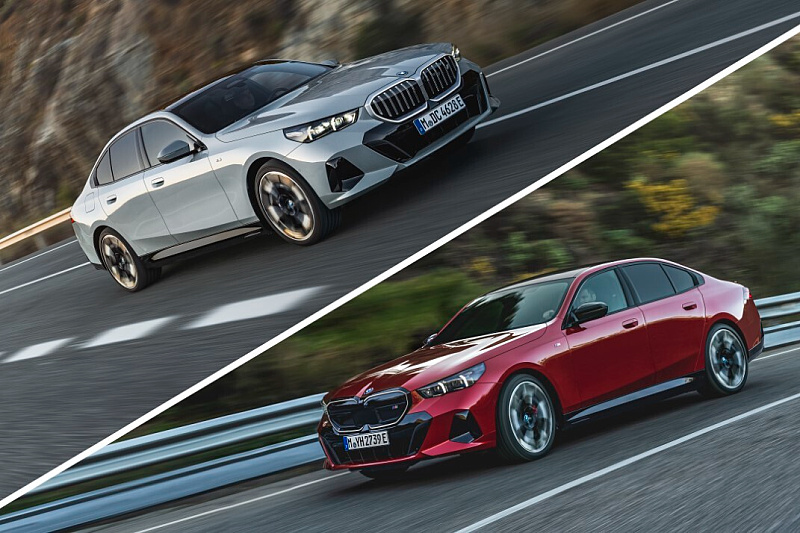
BMW 520d will retain its designation, but instead of four cylinders, a six-cylinder diesel is arriving.
German media indicate that BMW plans to replace the four-cylinder engine in the 520d version with an inline six-cylinder diesel B57. The model designation would remain the same, but the displacement and number of cylinders would increase, while the power would stay at the level of the 520d due to fuel consumption considerations.
ingestion