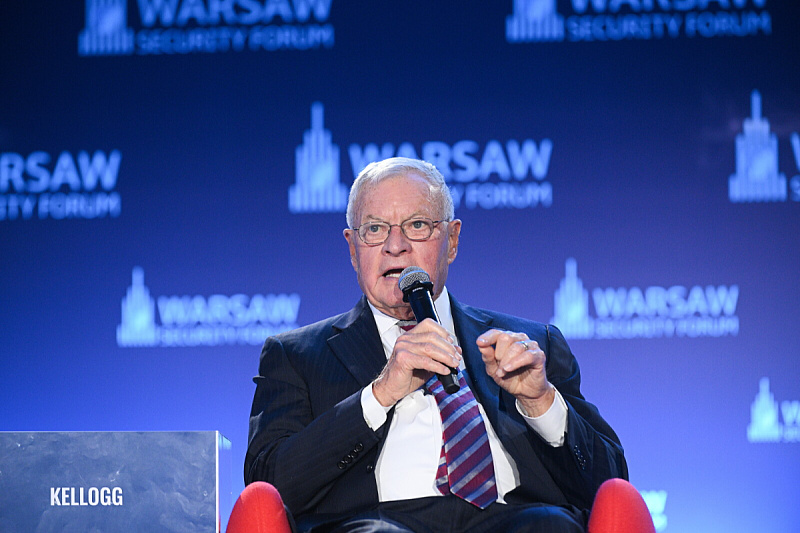
During an appearance on Fox News on April 2, Kellogg criticized current alliance members for their stance on the situation in Iran. He emphasized that the United States should reevaluate its existing partnerships and consider exiting the alliance. Kellogg stated that "NATO is becoming cowardly. Perhaps we need a new NATO, a new defense system."
He also pointed to Article 13 of the North Atlantic Treaty, which allows a member state to leave the alliance one year after submitting official notification.
"Let's reshape the defense alliances we have, perhaps create one with Japan and Australia and some of those European countries that are willing to fight, like a new, re-engaged Germany or Poland. Even Ukraine, which has also proven to be a good ally," said Kellogg.
Former Secretary of State Mike Pompeo supported this perspective, describing the current state of the alliance as "terrible." He noted that the United States must fundamentally reassess which partners it can rely on for key missions.
Former Deputy National Security Advisor Victoria Coates added that the organization has shown its "insignificance" by failing to manage the largest war in Europe since the start of the full-scale Russian invasion of Ukraine.
Coates suggested that the successful cooperation between the U.S. and Israel demonstrates that Washington can achieve its security goals with motivated allies without relying on large and slow structures. These discussions followed statements by President Donald Trump, who described the organization as a "paper tiger." He criticized European partners for not taking on enough military responsibility, particularly regarding security measures aimed at lowering global oil prices.
The situation escalated further on April 1, 2026, when the White House confirmed it was considering a scenario of withdrawal from NATO. This comes after allies refused to support a U.S. operation against Iran, which the administration deemed a betrayal of shared security interests.
Although the legal process of leaving the treaty is complex, the administration could begin by limiting financial contributions and relocating U.S. military personnel from major bases in Europe.
During the Munich Security Conference and subsequent briefings at NATO headquarters, U.S. Special Envoy Keith Kellogg emphasized that no peace agreement would be imposed on Ukraine, stating that the decision to end the war belongs solely to the Ukrainian people and President Volodymyr Zelenskyy.
Kellogg noted that his primary role includes securing long-term security guarantees for Ukraine that would avoid the failures of previous agreements like Minsk-2.
While coordinating a planned meeting in Kyiv, he consulted with NATO Secretary General Mark Rutte to ensure a joint effort toward a just peace, highlighting the Trump administration's commitment to mediating negotiations with a priority on preserving Ukrainian sovereignty.