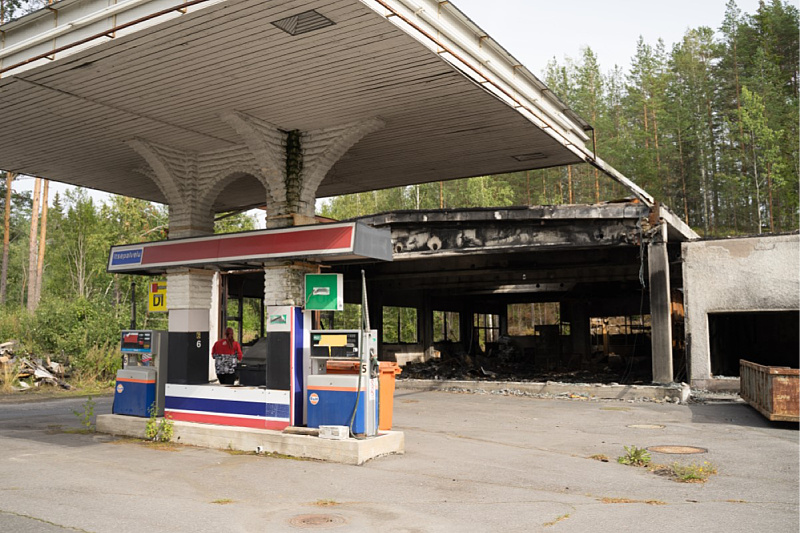
The decline in the number of gas stations is not a sudden phenomenon. Warnings date back to the 1990s, when a French senator highlighted the increasingly difficult access to fuel for residents of rural areas, even around Paris. Since then, the situation has only worsened.
The numbers speak for themselves. In 1980, France had over 40,000 gas stations. Today, barely 10,000 remain. Spain shows similar trends with around 12,000 active stations, half of which are in the hands of large retail chains. Gas stations have gradually retreated toward shopping centers and highways, leaving gaps across entire regions on the map.
According to a new study, as many as 41 percent of independent gas station owners plan to stop selling fuel within the next five to ten years. In absolute terms, this means approximately 1,500 fewer stations, or a reduction of about 15 percent of the total. Moreover, these closures will not be evenly distributed. They will primarily affect rural areas, where the car is still not a luxury but a necessity.
A theoretical solution exists: converting gas stations into electric vehicle charging points. Residents of rural areas, who mostly live in houses with the possibility of installing home chargers or solar systems, are natural users of such a model. However, in practice, installing fast DC chargers requires significant financial investment and navigating bureaucratic procedures, which small independent operators can hardly bear alone.
Industry associations are therefore calling for public support to help these stations survive the energy transition. The alternative of letting them shut down is not a solution for anyone.
This problem is not exclusively French or Spanish. Even many other European countries with developed networks of rural gas stations are facing identical challenges. While internal combustion engines still dominate the roads, there is room for adaptation, but this "window" is slowly closing.