Coach, in a conversation just over eight months ago, you said you really wanted to take our national team to a major competition that you didn’t get to go to as a player. Did you feel that as your deepest, most personal obligation or a kind of debt to Bosnia and Herzegovina, and also to the fans who always stood by you? "Desire, reality, and vision are closely connected and intertwined for me. When I spoke about it before, I was simply conveying our great desire, the 'hunger,' so to speak, to take the national team to a major competition as a coach. I didn’t feel it as an obligation, let alone as pressure or a debt to Bosnia and Herzegovina and the fans. The immense desire, discipline, and dedication of everyone led us to this result, and we are very happy about it. When you play for the national team or are part of it, you always keep in mind that you are representing your country to the whole world, you are full of emotions and the desire to qualify for a major tournament. That’s how it was for me." As a player, you had authority, and your teammates followed you. In football, that’s hard to achieve, but you’ve shown that even in the coaching position, you have that authenticity and strength for players to follow you and your football philosophy. How did you manage to achieve that? "I think every person carries a certain dose of authority within themselves. How that authority is built or expressed depends on the individual. I didn’t suddenly become an authority at 19 either; it simply came through my career, through the foundation I had behind me, through my conduct on the field, my quality, and importance in the team or league. I’m glad that the values I’ve nurtured can be confirmed through unity in the national team, good communication with the players, and mutual trust. For me, it has always been important to remain consistent with my principles, consistent in decisions—in coaching, there are beautiful and less beautiful ones, but they are part of the path and philosophy we follow. I think all of this together influenced the players to believe in me and follow my vision, which is now theirs as well. There’s no specific recipe or formula; I think it has to do with a person’s character and personality." Is Barbarez the same before and after the qualifiers? How much have these matches changed you? What have you learned or discovered about yourself, your colleagues, and the team? "I’m not the same, of course. I, too, have progressed and developed through these qualifiers and the playoffs. Not just me, but my colleagues also know more in every segment now. We’ve learned things about ourselves, about the opponents, about the business of football, about how a national team functions during qualifiers and in the playoffs. Every match is special, so we prepared accordingly, constantly asking the players not to give up, to believe in themselves and their abilities. This experience is precious, and I’m sure we’re a bit wiser now than we were before the qualifiers." Now that emotions have settled a bit, intensive work lies ahead in terms of preparations, selecting the training camp, choosing opponents for friendly matches, etc. How far along are you in these activities? "There’s more work than we had in the past two years—that’s how it is when you play in the playoffs—but we’re happy it’s going well. Some things require a bit more time, especially logistical matters. As for travel and choosing opponents, a lot is already booked and taken by other national teams, so we have to adapt a bit and make some compromises. However, none of that worries us; what’s important is that we’re at the World Cup. When preparations begin, I just want all the players to be healthy, no one to get injured, and I’m sure they’ll work hard and, of course, be ready to head to America." It seems it was much harder for you to convince people of your ideas than to win and qualify for the World Cup. You’ve restored trust and raised the image of the national team. Can you share some more of your dreams, because not only are they coming true, but they’re bringing joy across the country and far beyond? "I didn’t have the desire to convince anyone; people have to accept things themselves. What’s important is the vision, persistence, and courage to persevere to the end, even when results weren’t great. People recognized those things themselves, believed in me, my team, and what we’re doing. I think we’ve been explicitly transparent from the start, credible, genuinely doing this job, and honest in what we do. Of course, there are always mistakes, but we want to minimize them, succeed in what we do, and when we see things differently than others do. That’s the idea guiding us and the purpose of all this. As for dreams, for me, they’re tied to emotions. When I watched our first match at the 2014 World Cup on TV, against Argentina, I was so moved by the atmosphere, emotions that are hard to describe, that I always thought maybe the only shortcoming in my career was not going to a major tournament as a player. That’s why I always emphasized it as a big dream, which I’ve now achieved in another role. Now everything is a bonus, and of course, after that, we continue forward, with the desire to take it step by step and, hopefully, achieve further successes. And I’m sure they will come." Coach, at the end of this conversation, tell us what kind of Bosnia and Herzegovina national team we’ll see at this World Cup? "I recently said, I can promise you’ll see the same national team you saw during the qualifiers—the one that has everything everyone praises now, in terms of unity, that winning mentality, character, and mindset. So, all those things we’ve built over these two years will remain as long as I’m here. We’ve done the most important job: we’ve qualified for the World Cup, and we’ll take it step by step. Many young players have already shown during these matches that they have quality and potential. They still have so much room for further development, so they’ll take the next step at the World Cup," said Barbarez.
Society
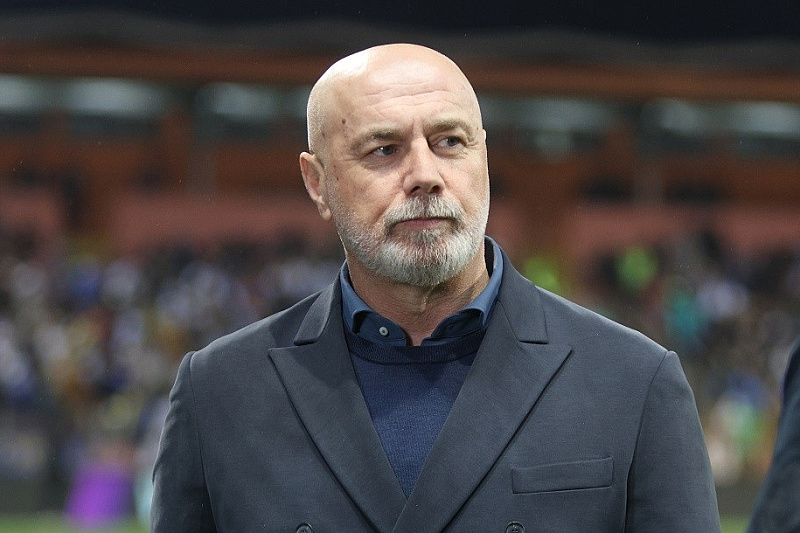
Barbarez: At the World Cup, you will see a national team with a winning mentality.
The selector of the Bosnia and Herzegovina national football team gave an extensive interview for the Football Association of Bosnia and Herzegovina website, in which he spoke about numerous topics.
ingestion