Hopes for the resumption of dialogue aimed at ending the war in the Middle East brought some relief to oil markets today, as prices fell below $100 per barrel.
Following the failure of weekend talks in Islamabad between the two rivals, a U.S. official said contacts were ongoing and that progress was being made toward an agreement. Pakistani Prime Minister Shehbaz Sharif also stated that efforts to resolve the conflict were underway.
U.S. President Donald Trump said Iran had contacted on Monday expressing a desire for a deal but made it clear he would not approve any agreement that would allow Tehran to secure nuclear weapons.
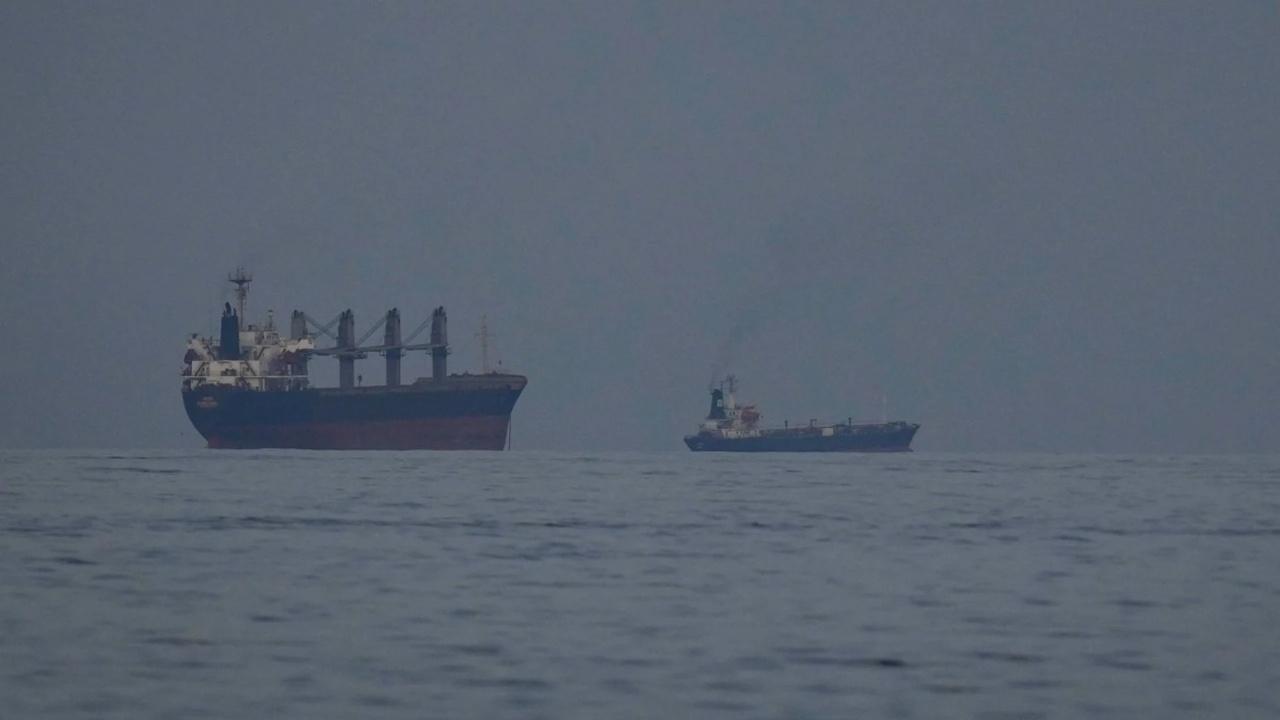
Since the U.S. and Israel began the war on February 28, Iran has effectively closed the Strait of Hormuz to all vessels except its own, declaring that passage would only be allowed under Iranian control and upon payment of a fee.
The impacts are widespread, as before the conflict began, nearly one-fifth of the world's oil and gas supply passed through this sea route.
Trump has said Washington will block Iranian vessels, as well as those paying such fees, warning that any Iranian speedboat approaching the blockade would be "neutralized." Tehran, for its part, has threatened attacks on naval forces and retaliation in Gulf ports.
According to maritime traffic tracking data, the Chinese tanker Rich Starry passed through the Strait on Tuesday, the first since the start of the U.S. blockade the previous day.
The vessel had departed from Sharjah, near Dubai, bound for China, but had previously changed course shortly before approaching the Strait.
The U.S. blockade further weighs on global energy security prospects and supply chains, without appearing to enjoy significant international support.
NATO allies such as Britain and France have made it clear they will not participate in the blockade, emphasizing the need to reopen the sea route.
Despite the failure of talks, U.S. Vice President JD Vance said there had been "significant progress" and that Washington had made clear where compromises could be made and where they could not.
As he stated, the fundamental U.S. position is the removal of all enriched nuclear material from Iran and the establishment of a verification mechanism to ensure the country is not developing nuclear weapons.