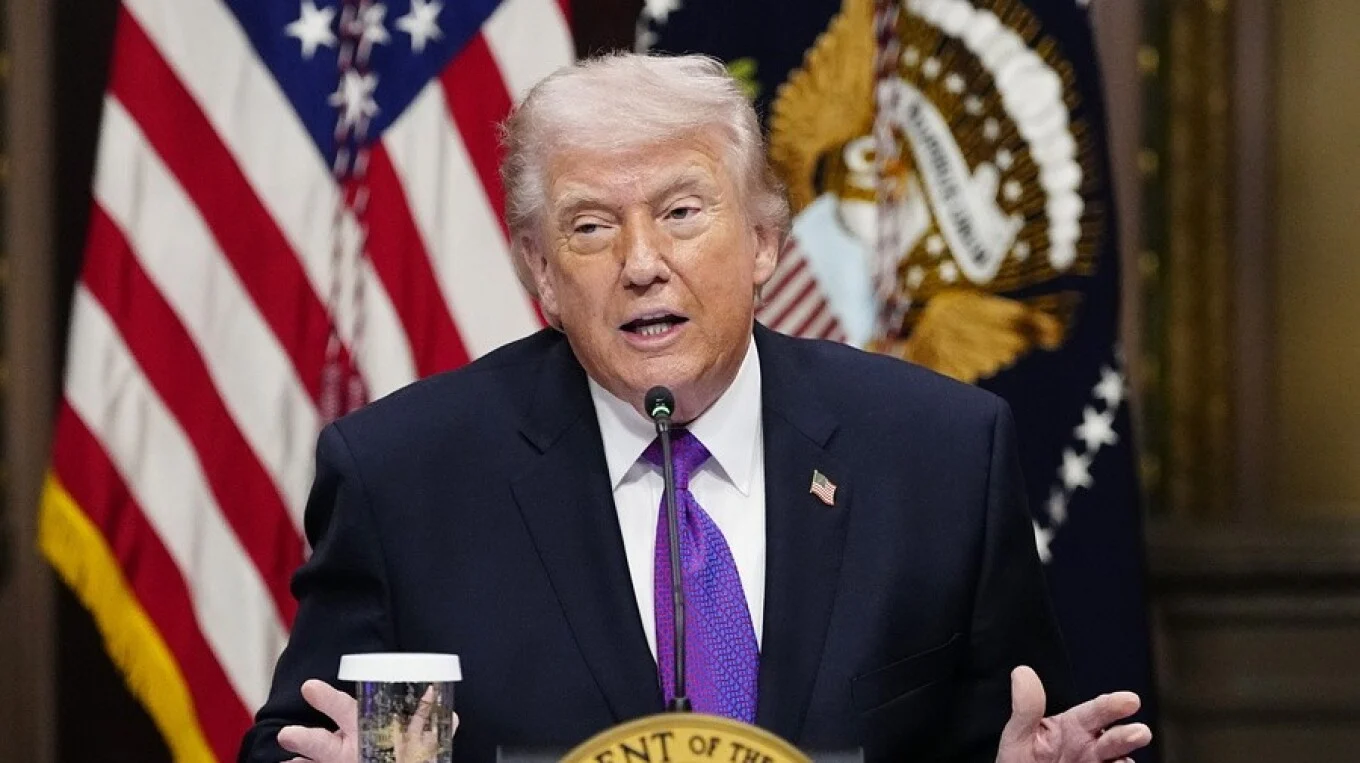
Support for Donald Trump has fallen below the 40% threshold, hitting the lowest point of his second term and returning to levels recorded after the attack on the U.S. Capitol on January 6, 2021, one of the darkest moments for American democracy.
According to the latest New York Times poll, the president's approval rating stands at around 38-39%, while nearly 60% of respondents reject his governing approach.
The main pressure comes from a combination of foreign policy and economic issues. The conflict with Iran has had a direct impact on energy prices: gasoline has risen to about $4 per gallon, a dollar more than before the conflict.
According to a Reuters/Ipsos poll, 77% of Americans attribute at least some responsibility to Trump for the price increases, with high percentages even among Republican voters.
The consequences are immediate and politically sensitive. 58% of respondents say they would be less inclined to support candidates who back the White House's line on Iran in the November midterm elections.
Additionally, the traditional Republican advantage on the economy has narrowed: today the party is practically tied with Democrats, whereas at the start of the term it held a much larger lead.
Other polls confirm this trend. The approval index published by CNBC is at the lowest levels of both terms, with a notable deterioration specifically in economic management. Meanwhile, a study by the AP-NORC Center for Public Affairs Research shows growing dissatisfaction among many groups that contributed to the 2024 victory, particularly young Hispanic voters, who are becoming increasingly skeptical of the government's ability to cope with the rising cost of living.
On the other hand, Trump's loyal base remains largely stable, but the president is losing ground among independents and Republicans not aligned with the MAGA movement. This does not appear to be a typical decline: for the first time in his second term, Trump appears vulnerable precisely on the economy and security, the issues that brought him back to power. And when the promise of prosperity wavers, public support usually follows.