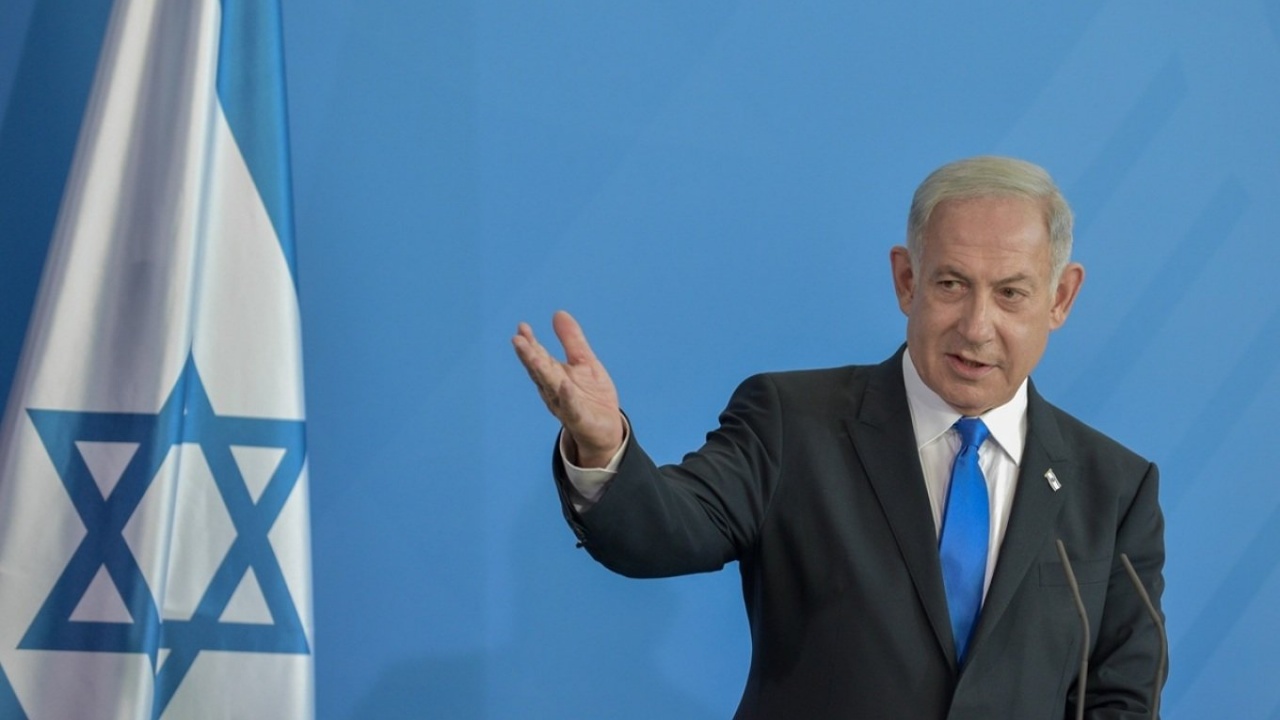
According to an analysis published by The Guardian, recent developments following the U.S.-mediated ceasefire between Israel and Iran are accompanied by strong criticism of Prime Minister Benjamin Netanyahu, who is considered one of the main losers of this escalation. The British media notes that some U.S. intelligence assessments of Israeli scenarios, including efforts for regime change in Iran, turned out to be closer to reality than Israel's own predictions of a short conflict. Moreover, even a few days before the ceasefire was reached, Netanyahu had pressured Donald Trump not to support such an agreement. Within Israel, political reactions have been harsh. Opposition leader Yair Lapid described the situation as a major political and strategic failure, while Yair Golan portrayed the ceasefire as clear proof that the declared objectives were not achieved, considering the entire development one of the weakest strategic episodes for the country. On the military front, the analysis suggests that Iran's Revolutionary Guard achieved its main goal: survival in the face of intense military pressure. The Iranian state structure remains functional and with considerable capabilities, which could enable a swift military recovery. Meanwhile, tensions in the region remain high, particularly due to Israeli actions in southern Lebanon, which could lead to direct confrontations with Hezbollah. At the same time, support for Israel is declining in the U.S., while its role in fueling a broader conflict is being debated in the American political arena. According to analyst Amos Harel from Haaretz, this situation has highlighted serious weaknesses in both American and Israeli decision-making, including the riskiness of strategies and the disregard for expertise. In conclusion, the analysis emphasizes that the consequences of this episode could negatively impact Israel's international standing and long-term security.
Society
The Guardian: Is Netanyahu the biggest loser of the war?
According to an analysis published by The Guardian, recent developments following the U.S.-mediated ceasefire between Israel and Iran are accompanied by strong criticism of Prime Minister Benjamin Netanyahu, who is consi
ingestionalbania