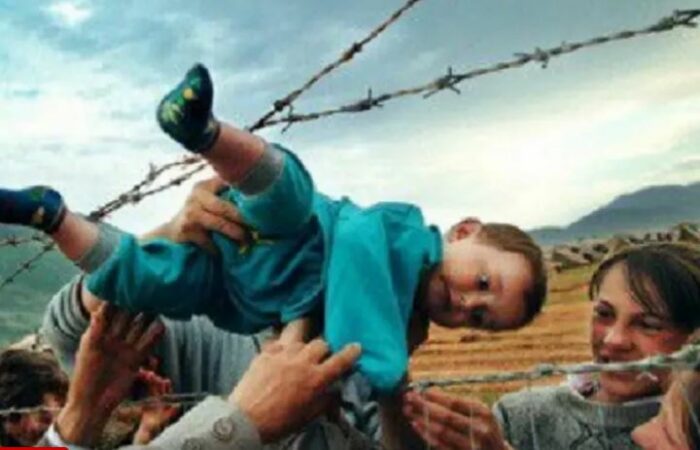
Today marks 27 years since the massive exodus of Kosovo Albanians, one of the most dramatic events of the 1998–1999 war, when around one million citizens were forced to leave their homes due to violence by Serbian forces. Thousands of families were displaced towards Albania and North Macedonia, while many others crossed the border into Montenegro or sought refuge in mountainous areas within Kosovo, attempting to escape violence and ethnic cleansing. The peak of the exodus occurred after the start of NATO bombings against military targets of the former Yugoslavia. On March 27, 1999, at 13:20, the first 187 refugees, mostly women and children in severe physical and psychological condition, arrived in Kukës at the Vërmicë/Morinë border crossing. Within that single day, the number of arrivals in Kukës exceeded 12,000 people. The flow continued in the following days, turning the city into one of the main reception centers for refugees. They were initially sheltered in the "Hasan Prishtina" Cultural Palace, and later in schools, kindergartens, warehouses, and the homes of Kukës residents, who opened their doors to welcome them. In the following weeks, tens of thousands of other displaced people arrived in Kukës. Many of them had experienced violence, torture, and robbery along the way, while living conditions remained difficult. April 16 is observed each year as Exodus Day in Kukës, honoring the solidarity and hospitality shown towards the refugees. One of the main symbols of this day is the Obelisk erected in the city, on the site where temporary camps were once located. Meanwhile, at the Bllaca '99 Memorial Center, the sufferings of the displaced are commemorated through the "Wall of Memory" monument, which symbolizes the sacrifice and resilience of Albanians during that period. The anniversary of the exodus remains a powerful memory of suffering, but also of human solidarity in one of the most painful chapters of Albanian history.
Society
Today, 27 years since the exodus of Albanians from Kosovo, 1 million citizens were displaced by Serbian paramilitaries.
Today marks 27 years since the massive exodus of Kosovo Albanians, one of the most dramatic events of the 1998–1999 war, when around one million citizens were forced to leave their homes due to violence by Serbian forces
ingestionalbania