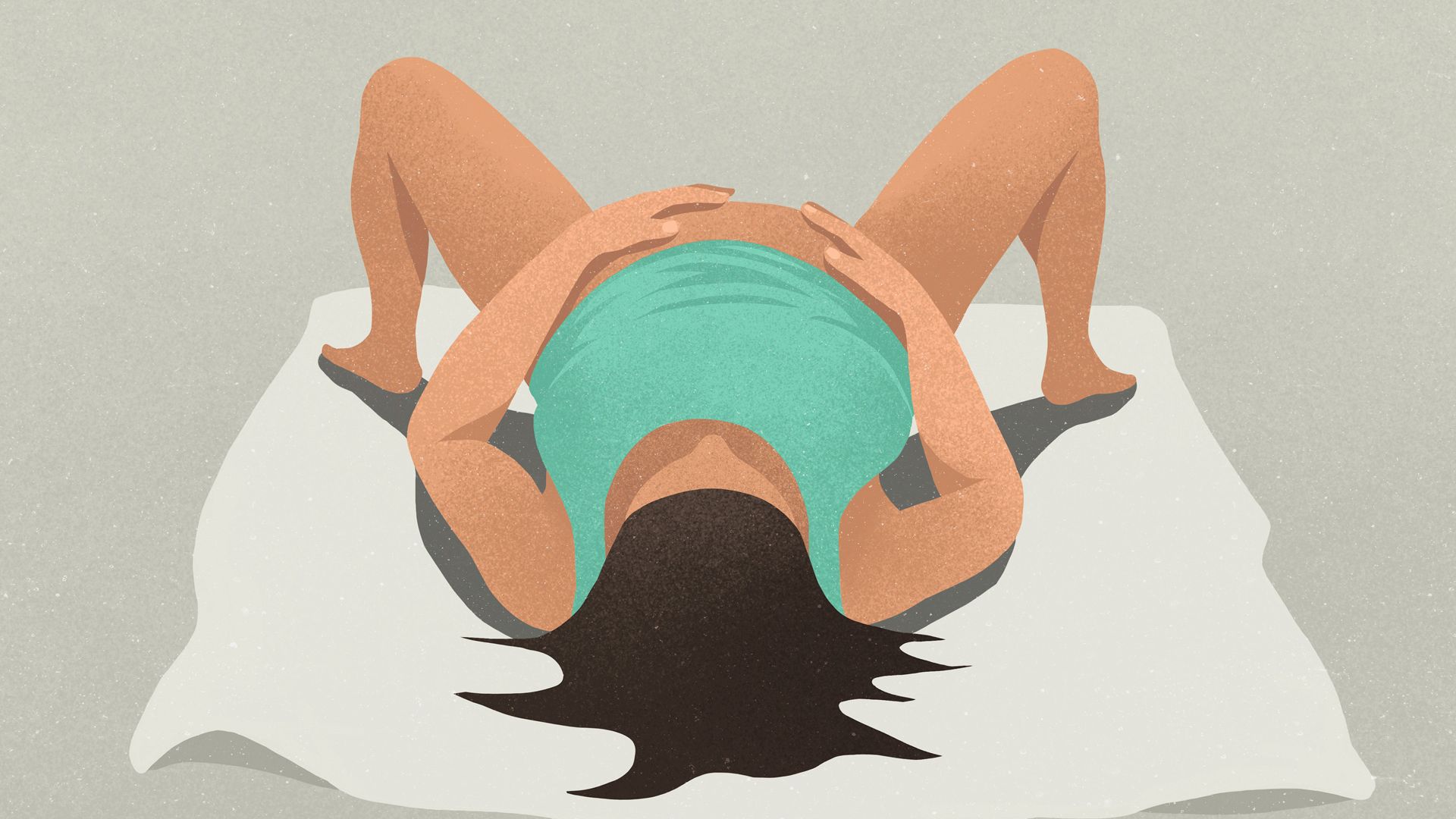
For thousands of years, women around the world gave birth in upright positions: sitting, squatting, or kneeling. Today, many of them give birth lying on their backs. But this is not necessarily the best or safest way. Childbirth is a natural process that the female body has known for thousands of years. However, one of the most widespread practices today in modern maternity wards, giving birth lying on the back, is neither the most traditional nor the most favorable for the woman's body.
In fact, for most of human history, women have given birth in upright positions, whether sitting on birthing stools, kneeling, or squatting. These positions not only aided the natural birth process but also made it easier thanks to the assistance of gravity. So why do so many women today give birth lying on their backs? Janet Balaskas, founder of the Active Birth Centre in the United Kingdom and author of several books on active birth, says there is still a great lack of knowledge about the natural physiology of childbirth.
"Throughout the world and for thousands of years, women have given birth spontaneously in various forms of upright or squatting positions," she argues. However, over time and with the institutionalization of childbirth in hospitals, women began to be placed increasingly in lying positions, turning birth from a natural process into a largely medical event.
Many researchers link this change to the French doctor François Mauriceau, who in the 17th century promoted birth in bed as more "comfortable" for the woman and more "practical" for the male doctor assisting. In his 1668 book, Mauriceau treated pregnancy as a kind of illness and suggested that women give birth in bed to avoid the difficulties of movement after childbirth. But some historians believe the influence may have also come from another French figure: King Louis XIV.
The perception of cesarean section delivery has changed greatly over the years. Once, this type of birth was considered the last resort to complete childbirth. Whereas today, many women choose it as a procedure, even when sometimes unnecessary, simply because they do not want to experience a prolonged labor. During this operation, through a 10 cm horizontal incision (the so-called Pfannenstiel laparotomy) at the lower abdomen, the uterus is opened to extract the baby.