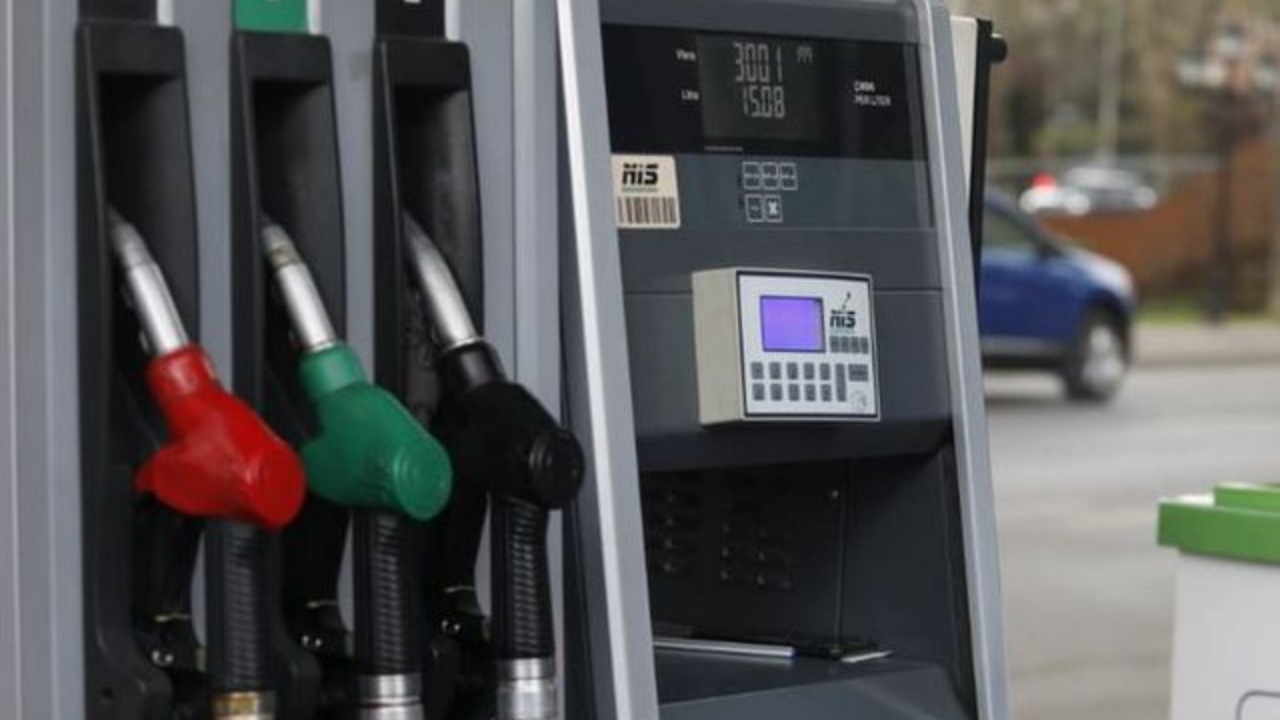
In the first days of March, car users faced the first increase in diesel prices in the country, which jumped from 175 lek, a level that had remained unchanged for almost two years, to 179 lek per liter. The rise in prices in the following days was inevitable, as a result of the increase in oil prices on exchanges following the start of attacks on Iran, which caused chaos in global markets. On March 17, diesel jumped to 200 lek and just two days later reached 214 lek. Although the government reactivated the Transparency Board, prices only dropped for two days to 203 lek, before jumping again at the end of March to 218 lek. On average, a liter of diesel cost 200 lek in March, or 14% more than before. Despite the price increase, demand not only did not fall but increased, proving that diesel is a necessary product with inelastic demand (i.e., unaffected by price). Official data from Customs revealed that diesel consumption in March was 35.8 thousand tons, up from 33.8 thousand tons in the same month a year earlier, an increase of almost 6% (see chart). Market operators also stated that they did not observe a decrease in consumption in March, despite the price hike. The weak public transport system, focused only on buses, leads many individuals to use personal cars to go to work or take children to school. Consumption remains high even for weekend travel. Other data from the General Directorate of Road Transport Services (GDRTS) showed the same trend: the crisis in the Middle East and the increase in fuel prices have not affected the growing tendency of Albanians to buy vehicles, at least for the first months of the year. In March, 7,891 vehicles were registered for the first time in the country, a 15% increase compared to the same month a year earlier. This is also the historical record for new vehicle registrations ever recorded in March. The same trend is observed for the entire first quarter. Except for January, when registrations fell by 7.6%, in February they increased by 20.6%. In the first quarter, a total of about 22,000 new vehicles were added to the roads, most of which were cars, an 8.4% increase year-on-year. 60% of these newly registered cars were diesel. An additional 10 million euros, solely from the price increase. In March, consumption was 35.8 thousand tons, or about 42.4 million liters. To purchase this quantity, vehicle users spent about 8.5 billion lek, or about 87 million euros, at an average price of 200 lek per liter. If this quantity had been purchased at the price of 175 lek, the expenditure would have been 7.4 billion lek, or 1.05 billion lek (about 11 million euros) less. In Albania, diesel consumption remains high, as the majority of cars circulating in the country use this fuel. According to data from the General Directorate of Road Transport Services (GDRTS) until the end of February, there were 1.06 million active vehicles in the country. Of these, about 732,000, or almost 70% of the total, use diesel as fuel. About 210,000 vehicles, or almost 20%, use only gasoline. About 84,000 users have gas-powered vehicles, or 8% of the total. Although the registration of electric cars is increasing, especially in March after the diesel price hike, their share of the total remains minimal, at only 1.3%, with about 15,000 electric vehicles circulating in the country, out of over 1 million in total, and 8,000 others that are hybrid (fuel + electric)./MONITOR
Society
Albanians paid 11 million euros more in March solely due to the rise in oil prices, but consumption increased by 6%.
In the first days of March, car users faced the first increase in diesel prices in the country, which jumped from 175 lek, a level that had remained unchanged for almost two years, to 179 lek per liter. The rise in price
ingestionalbania